There’s something quietly frustrating about a kitchen appliance failing at the worst possible moment. It rarely happens on a calm afternoon when you have time to spare. No — it’s usually during breakfast rush, a family dinner, or when you’re hosting guests. Suddenly the microwave refuses to heat, the cooktop won’t ignite, or the ice machine stops producing those tiny frozen lifesavers on a hot day.
Most homeowners have experienced this at least once. Kitchen appliances are built to last, sure, but they’re also machines. And machines, no matter how well engineered, eventually run into trouble.
Let’s talk about what really happens when kitchen appliances break down — and why repairs often make more sense than rushing to buy something new.
The Moment You Realize Something Isn’t Right
It usually starts small. Maybe the microwave takes a little longer to heat leftovers. Perhaps the cooktop flame looks weaker than usual. Or the ice dispenser suddenly sounds louder than it did yesterday.
At first, people ignore these little warning signs. Life is busy. You assume it’s nothing.
But appliances often whisper before they shout.
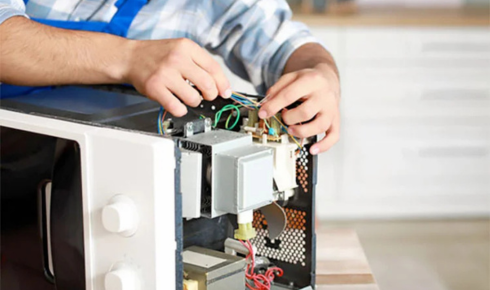
A failing magnetron inside a microwave, for example, may cause uneven heating. Gas burners may clog slowly with grease or food particles. Ice machines sometimes struggle when water lines begin to clog with mineral deposits.
These aren’t catastrophic problems. In fact, most of them are surprisingly fixable — if addressed early.
That’s why many homeowners eventually look into microwave repair rather than replacing the entire unit. The issue might simply be a worn diode, fuse, or switch. Small components, relatively quick fixes.
Why Cooktops Fail (And It’s Usually Not What You Think)
Cooktops have a tough job. They deal with constant heat, spills, grease, and heavy cookware. Over time, these stresses begin to show.
Gas cooktops often run into ignition problems. You turn the knob, hear the clicking, but nothing happens. Sometimes it’s just moisture in the ignition system. Other times, food debris blocks the burner ports.
Electric cooktops come with their own quirks. A burner may heat unevenly or stop working altogether. Wiring connections underneath the glass surface can loosen, or heating elements simply wear out after years of use.
And here’s the interesting part: many people assume the appliance is “done for.” But experienced technicians know that cooktops are highly serviceable.
In fact, professional cooktop repair often involves replacing just a single part — an igniter, element, or control switch. The appliance itself might still have years of life left.
Replacing an entire cooktop is far more expensive and often unnecessary.
The Ice Machine Nobody Thinks About… Until It Stops
Ice machines are funny appliances. Most people forget they even exist — until they stop producing ice.
Then suddenly it feels like a crisis.
Ice makers inside refrigerators rely on a small system of sensors, water valves, and motors working together. When one tiny piece fails, the entire process stops.
A blocked water filter, frozen supply line, or faulty inlet valve can halt ice production completely. Sometimes the ice maker arm gets stuck or the thermostat fails to signal the freezing cycle.
Homeowners often assume the refrigerator itself is broken, which can be a costly misunderstanding.
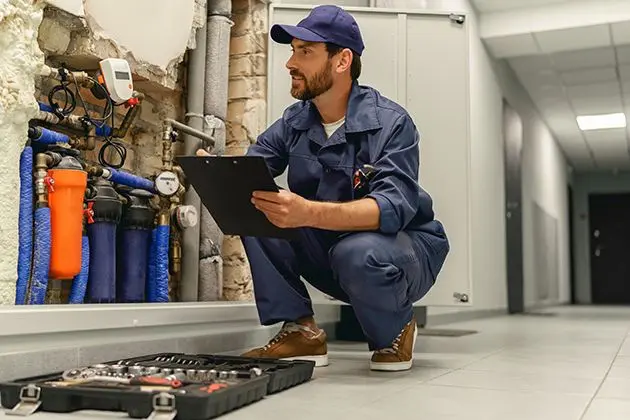
Professional ice machine repair technicians frequently solve the issue in under an hour. Replace a valve. Clear a line. Reset a control module. Problem solved.
And just like that, the ice returns.
Repair vs. Replacement: The Real Decision
Modern culture pushes us toward replacing things quickly. Something breaks — buy a new one. Faster, easier, right?
But appliances are not always disposable.
Many kitchen units are designed to last 10–15 years, sometimes even longer with proper care. Replacing them too early can cost hundreds, sometimes thousands of dollars.
Repairs, on the other hand, often cost a fraction of that.
A skilled technician can diagnose issues quickly, and many replacement parts are relatively inexpensive. Even premium appliances often rely on small internal components that can be swapped out without replacing the entire unit.
There’s also the environmental factor. Repairing appliances reduces waste and keeps large machines out of landfills.
It’s not just practical — it’s responsible.
Preventing Appliance Problems Before They Start
Of course, the best repair is the one you never need.
A little maintenance goes a long way in keeping kitchen appliances healthy.
Clean cooktop burners regularly to prevent clogging. Avoid slamming microwave doors, which can damage safety switches over time. Replace refrigerator water filters on schedule so the ice maker doesn’t struggle with mineral buildup.
These simple habits take minutes but can extend appliance life by years.
Many technicians will tell you the same thing: the majority of repairs they perform could have been prevented with basic upkeep.
Still, even with perfect care, things eventually wear out. That’s normal.
A Final Thought: Kitchens Are Meant to Work for You
Your kitchen isn’t just a room full of appliances. It’s where mornings begin, dinners are shared, and late-night snacks mysteriously appear when no one’s looking.
When something breaks, it disrupts more than convenience — it interrupts the rhythm of everyday life.
The good news? Most appliance issues aren’t disasters. They’re problems with solutions.
Whether it’s a microwave that won’t heat, a stubborn cooktop burner, or an ice maker that refuses to cooperate, repairs are often simpler than people expect.
Sometimes all it takes is a skilled technician, the right replacement part, and a little patience.
And just like that, the kitchen comes back to life.