
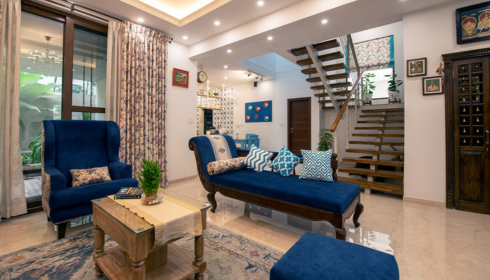
Some homes impress you immediately. High ceilings, dramatic lighting, expensive finishes — the kind of spaces that look perfect in photographs. But then there are homes that slowly grow on you. Places that feel calm, balanced, and deeply personal after just a few minutes inside.
Honestly, those are usually the homes people remember.
A beautiful house isn’t only about appearance. It’s about atmosphere. The way sunlight moves through a room in the morning. The comfort of a kitchen that actually works during hectic weekdays. The feeling of walking through the front door and exhaling without realizing it.
That kind of comfort rarely happens by accident.
Why Homeowners Are Craving More Meaningful Spaces
Over the last few years, people have started thinking differently about their homes. The shift is subtle, but it’s there.
Instead of chasing flashy trends or oversized spaces they barely use, many homeowners now want environments that support everyday life. Spaces that feel livable rather than staged.
That’s one reason the demand for full-service design has grown so much recently. People are overwhelmed by the number of decisions involved in building or renovating a home. Flooring, layouts, cabinetry, lighting, textures, paint tones — every detail affects the final result.
And let’s be honest, scrolling through endless inspiration photos online doesn’t necessarily make decisions easier. Sometimes it just creates confusion.
A good design team helps filter the noise. They bring structure to ideas and help homeowners create something cohesive instead of piecing together random trends from social media.
Luxury Isn’t Always What People Think It Is
When people hear the phrase luxury home, they often imagine massive estates with marble everywhere and rooms nobody ever enters. But real comfort has become a more important definition of luxury lately.
In many modern luxury homes, the focus is less about showing off and more about improving daily experience.
That could mean:
- Better natural lighting
- Smarter storage
- Quiet spaces for work or rest
- Durable materials that age beautifully
- Open layouts that encourage connection
Oddly enough, true luxury often feels understated.
It’s the heated floor on a cold morning.
The hidden pantry that keeps the kitchen peaceful.
The reading chair placed perfectly beside a window.
Small things, really — but they change how a home feels to live in.
And people notice that far more than expensive finishes alone.
Renovation Can Be Emotional in Unexpected Ways
There’s something deeply personal about changing a home you’ve already lived in for years.
Every wall holds memories. Every room has habits attached to it. That’s why a major home renovation project can feel strangely emotional, even when people are excited about the upgrades.
You’re not just replacing cabinets or opening up a floor plan. You’re reshaping the environment where life happened.
Sometimes homeowners are surprised by how stressful the process becomes. Decision fatigue kicks in quickly. Budgets shift. Delays happen. Dust somehow ends up everywhere no matter how careful contractors are.
Still, most people say the same thing after the project is finished: it was worth it.
Because thoughtful renovations don’t simply modernize a house — they improve how people experience everyday life inside it.
The Best Interiors Don’t Feel Forced
One thing I’ve noticed in genuinely beautiful homes is that they rarely feel too “perfect.”
There’s personality in them.
Warmth.
A little imperfection.
Maybe the dining table has scratches from years of use. Maybe the sofa isn’t designer, but it’s the one everyone gravitates toward during gatherings. Those details matter more than people think.
Homes that feel overly curated can become exhausting after a while. They look impressive but somehow lack comfort.
Good design creates ease, not tension.
And honestly, that often comes from restraint. Knowing when not to overcrowd a room. Choosing textures that age naturally instead of finishes that demand constant maintenance. Leaving enough breathing space so the home feels calm rather than cluttered.
Trends Will Change — Good Design Usually Doesn’t
Every year brings another wave of design trends. Dark kitchens. Ultra-minimalism. Organic modern. Bold stone finishes. Some trends are beautiful, others fade almost immediately.
The smartest homeowners tend to approach trends carefully.
Instead of building an entire home around temporary aesthetics, they create timeless foundations first:
- Neutral tones
- Quality craftsmanship
- Flexible layouts
- Durable materials
- Natural textures
Then they layer personality through art, lighting, fabrics, and decor that can evolve more easily over time.
That approach usually leads to homes that still feel beautiful years later instead of looking dated after one trend cycle passes.
Comfort Has Become the Real Goal
At the end of the day, most people aren’t searching for perfection anymore. They’re searching for peace.
A comfortable home changes things quietly. It reduces stress without announcing itself. It creates better mornings, calmer evenings, and spaces people genuinely want to spend time in.
That’s why thoughtful design matters so much. Not because every house needs to look expensive, but because our surroundings shape our routines, moods, and even relationships more than we often realize.
The best homes don’t necessarily impress everyone who visits.
They simply feel right to the people living there.
And honestly, that feeling lasts much longer than any trend ever will.