Basements are no longer viewed simply as storage areas or utility spaces. Today, homeowners and property developers are transforming basements into fully functional living areas, home offices, entertainment rooms, guest suites, gyms, and even rental units. As these spaces become more sophisticated, the demand for reliable plumbing and wastewater management solutions continues to grow.
However, basement plumbing presents unique challenges that differ significantly from above-ground installations. Understanding these challenges and the available solutions is essential for ensuring long-term performance, comfort, and compliance with building regulations.
Why Basement Plumbing Is Different
Unlike upper floors, basements are often located below the level of the main sewer line. In a traditional plumbing system, wastewater relies on gravity to flow from fixtures to the sewer or septic system.
When plumbing fixtures such as toilets, sinks, showers, or laundry equipment are installed below the sewer level, gravity alone may not be sufficient to transport wastewater. This creates one of the most common challenges associated with basement plumbing.
Without the right wastewater management system, homeowners may face drainage issues, costly renovations, and limitations on how basement spaces can be used.
Common Basement Plumbing Challenges
Every basement project is unique, but several challenges frequently arise during planning and installation:
- Fixtures located below the main drainage line
- Limited access to existing plumbing connections
- Long distances between fixtures and sewer lines
- Structural constraints that make excavation difficult
- Renovation projects where major demolition is undesirable
These factors often require specialized wastewater solutions that can move wastewater efficiently regardless of elevation or distance.
Understanding Wastewater Lifting and Pumping Solutions
Modern wastewater management technologies have made basement plumbing significantly more flexible than in the past.
Instead of relying entirely on gravity, wastewater pumps and lifting systems can collect and transport wastewater to the building’s main drainage network. This allows homeowners and developers to install bathrooms, kitchens, laundry rooms, and utility spaces in locations that would otherwise be impractical.
These systems can reduce construction complexity while providing greater freedom in basement design.
Installing Basement Bathrooms
One of the most popular basement upgrades is the addition of a bathroom. However, installing a conventional toilet below the sewer line can be challenging and often requires extensive excavation work.
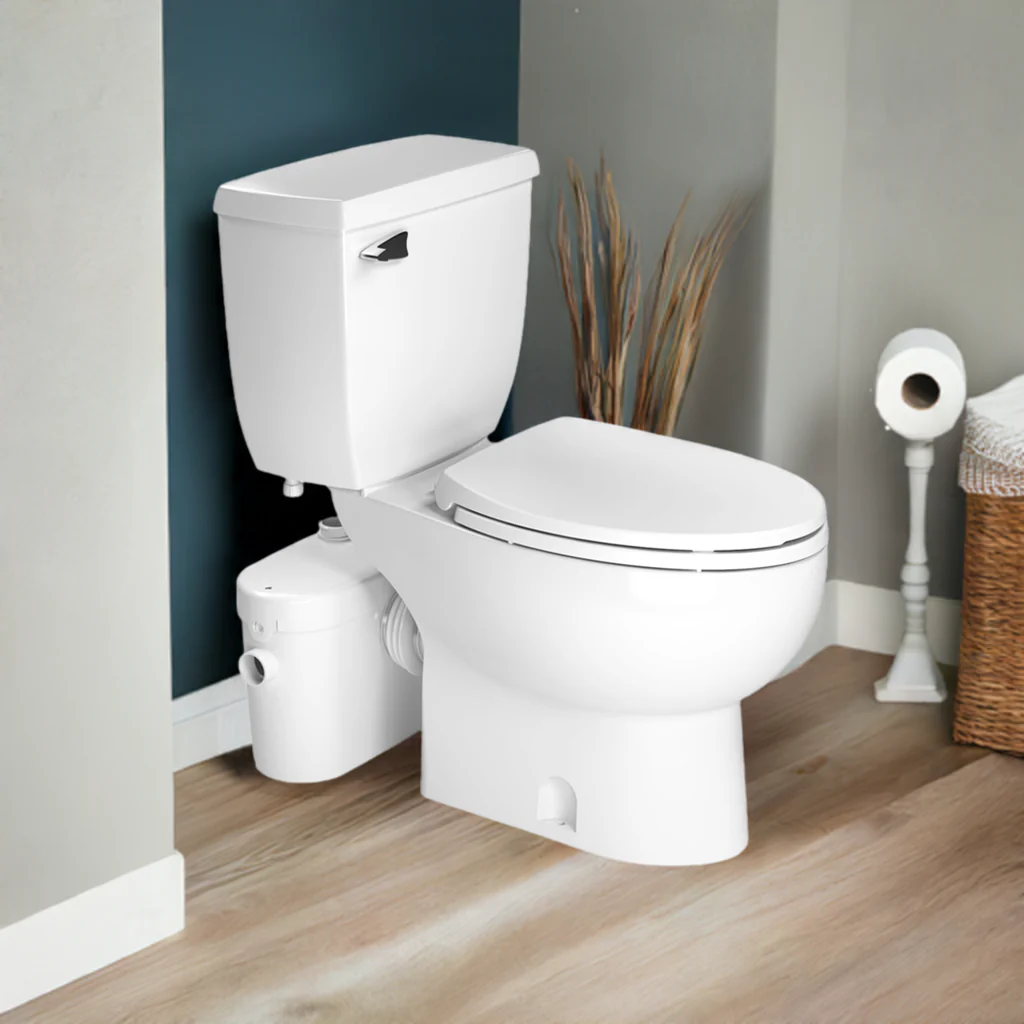
Modern macerating systems provide an alternative solution by breaking down waste and pumping it through small-diameter pipes to the main drainage system.
Solutions such as Saniflo have become popular for basement bathroom installations because they help simplify plumbing projects while minimizing structural modifications. This makes it easier to add functional bathroom facilities without the disruption typically associated with traditional drainage installations.
Managing Showers, Basins, and Utility Fixtures
A complete basement often includes more than just a toilet. Showers, washbasins, utility sinks, and other fixtures also require effective wastewater management.
Specialized wastewater pumps are designed to handle greywater generated by these fixtures and transport it efficiently to the main drainage system. These solutions help create fully functional basement living spaces while maintaining reliable drainage performance.
By using dedicated wastewater systems, property owners can maximize the usability of basement areas without being constrained by existing plumbing layouts.
Simplifying Basement Renovation Projects
Many homeowners choose to renovate existing basements rather than build new extensions. While renovations can significantly increase property value, modifying plumbing systems within existing structures can be challenging.
Traditional plumbing upgrades may require breaking concrete floors, relocating drainage lines, and carrying out extensive construction work.
Modern wastewater technologies provide a more practical alternative. For example, systems such as Saniaccess 3 are designed to simplify maintenance and improve accessibility while supporting bathroom installations in locations where gravity drainage may not be practical.
This approach can help reduce installation time, construction costs, and disruption during renovation projects.
Planning for Long-Term Reliability
When designing a basement plumbing system, reliability should be a top priority. Proper system selection helps ensure efficient wastewater transport and reduces the likelihood of future maintenance issues.
Important considerations include:
- The number of fixtures being installed
- Expected wastewater volume
- Distance to the main sewer connection
- Vertical lift requirements
- Accessibility for maintenance and servicing
Choosing the right solution from the beginning can help avoid costly modifications in the future.
The Role of SFA India in Basement Wastewater Management
As demand for basement living spaces continues to grow, SFA India offers a range of solutions designed to address the challenges associated with below-grade plumbing installations.
From macerating systems and wastewater pumps to lifting stations and specialized drainage technologies, SFA solutions help homeowners, contractors, and developers create functional basement spaces without extensive structural modifications.
Whether the goal is to add a bathroom, create a guest suite, install a laundry room, or convert unused basement space into a productive living area, modern wastewater management systems provide the flexibility needed to support these projects efficiently.
Looking Ahead
Basement conversions and below-grade construction projects are becoming increasingly common as property owners seek to maximize available space. However, successful basement development depends heavily on effective plumbing and wastewater management.
While traditional gravity drainage remains important, modern pumping and macerating technologies have expanded the possibilities for basement design. These solutions allow homeowners and developers to overcome elevation challenges, simplify renovations, and create comfortable, fully functional spaces below ground level.
With careful planning and the right wastewater management approach, basement plumbing can become a reliable and efficient part of any modern property, supporting both immediate needs and long-term value.