There’s a funny thing about homes—they don’t speak, but they definitely communicate. A creak here, a drip there, a slow swirl in the sink that didn’t used to be slow. It’s subtle, easy to ignore. Until it isn’t.
Plumbing, especially, has this quiet way of asking for attention. Not loudly. Not dramatically. Just enough to make you wonder if you should do something about it.
And honestly, most of us wait a little too long.
When Experience Really Matters
Let’s start with the obvious but often overlooked point—not all fixes are equal.
You can watch a few videos, try a quick repair, maybe even get lucky once or twice. But plumbing systems are more complex than they appear. One small mistake can ripple into a much bigger issue.
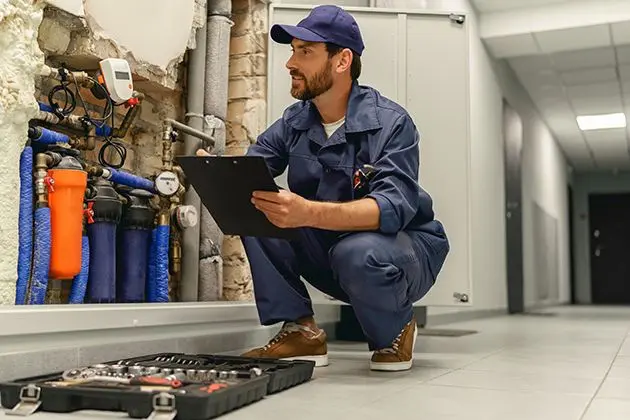
That’s why working with licensed plumbers tends to make such a difference.
It’s not just about skill—it’s about understanding the system as a whole. Knowing how one change affects another. Recognizing when a problem is isolated and when it’s part of something bigger.
There’s a kind of quiet confidence that comes with experience, and it shows in the way problems get solved—not patched.
The Slow Warning of a Clogged Drain
A drain rarely clogs overnight. It builds up over time—grease, soap residue, hair, debris. At first, it’s just a slight delay. Then it becomes noticeable. Then… frustrating.
You might try a quick fix. A plunger, a chemical cleaner, maybe even hot water and baking soda. Sometimes it helps. Sometimes it doesn’t.
But recurring issues usually mean there’s more going on.
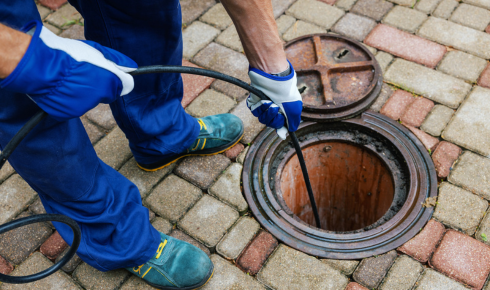
That’s where proper drain cleaning comes in.
Not just surface-level clearing, but a deeper clean that removes buildup you can’t see. The kind that restores flow instead of just improving it temporarily.
Because a slow drain isn’t just inconvenient—it’s a sign your system needs attention.
The Problem You Can’t Always See
Leaks are tricky.
Sometimes they’re obvious—a dripping faucet, a visible puddle. But other times, they hide. Behind walls, under floors, inside ceilings.
And those hidden leaks can cause the most damage.
Discoloration on walls, a musty smell, an unexpected spike in your water bill—these are often the only clues.
That’s where leak detection becomes essential.
It’s less about guessing and more about pinpointing. Finding the exact source without unnecessary damage. And once you know where the problem is, fixing it becomes much more straightforward.
Ignoring a leak doesn’t make it disappear. It just gives it time to spread.
When Pipes Start to Show Their Age
Pipes don’t last forever.
Over time, they wear down. Corrosion sets in. Joints weaken. And eventually, small issues begin to appear.
A drop in water pressure. Discolored water. Strange noises when you turn on the tap.
These aren’t random. They’re signs.
And sometimes, they point toward the need for pipe repair.
Not always a full replacement—sometimes it’s just reinforcing a section, fixing a joint, or addressing a weak spot.
But catching it early makes a difference.
Because once a pipe fails completely, the situation escalates quickly.
The Cost of Waiting
It’s easy to delay repairs. Life gets busy. Plumbing issues don’t always feel urgent—until they are.
But small problems tend to grow quietly.
A minor clog becomes a blockage. A small leak becomes water damage. A weak pipe becomes a burst.
And what could have been a simple fix turns into a larger, more expensive project.
It’s not about reacting to every small issue—it’s about recognizing when something needs attention.
A More Practical Approach to Home Care
You don’t need to obsess over your plumbing system.
But paying a little attention goes a long way.
Notice changes. Respond to recurring issues. Don’t ignore signs that something might be off.
And when in doubt, it’s okay to ask for help.
You don’t have to figure everything out on your own.
The Quiet Comfort of Things Working Well
When plumbing works the way it should, you don’t think about it.
Water flows. Drains clear. Everything just… works.
And that’s the goal.
Not perfection. Not constant monitoring. Just a system that supports your daily life without interruption.
A Final Thought
Homes have a rhythm to them. A way of letting you know when something needs attention.
Plumbing is part of that rhythm.
Listen to the small signs. Take action when needed. And don’t wait for things to become urgent.
Because in the end, it’s not about fixing problems—it’s about preventing them from growing in the first place.
And that’s a much easier way to live.