Most of us don’t think about water much. It’s just there—reliable, familiar, part of the background of everyday life. You turn on the tap, fill a glass, maybe don’t even notice the taste anymore.
Until one day… you do.
It’s rarely dramatic. More like a series of small hints. A stain here, a smell there. Something feels slightly off, and you can’t quite put your finger on it. But once you notice, it’s hard to go back to not caring.
The Quiet Frustration of Everyday Water Issues
Water issues don’t usually show up all at once. They creep in slowly, almost politely. A little scaling on your taps. Soap that doesn’t lather quite the same. Towels that feel rough no matter how often you wash them.
These are the kinds of signs that often point toward hard water problems. It’s not dangerous in most cases, but it’s definitely inconvenient. Minerals like calcium and magnesium build up over time, affecting everything from your plumbing to your skin.
And the thing is, people often live with it for years without realizing there’s a fix.
When Water Leaves a Mark—Literally
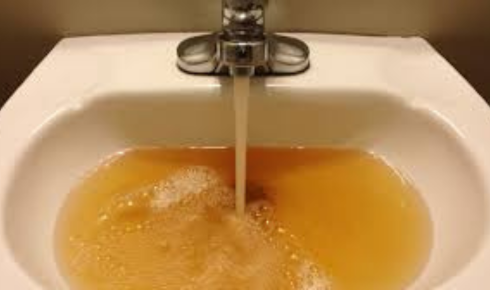
Then there are those moments when the issue becomes more visible. Maybe you notice reddish stains in your sink or bathtub. Or your clothes come out of the wash looking a bit… off.
That’s usually a sign of iron rust water, and it can be surprisingly common in certain areas. It doesn’t just affect how things look—it can also change the taste of your water in a way that’s hard to ignore.
At first, you might think it’s a temporary issue. Something that’ll go away on its own. But more often than not, it sticks around until you do something about it.
The Smell You Can’t Quite Explain
Sometimes, the problem isn’t something you see—it’s something you smell. A faint chemical scent when you turn on the tap. Not overpowering, but noticeable enough to make you pause.
That’s often linked to chlorine contaminants. Chlorine is commonly used to disinfect water, which is important. But in higher concentrations, it can leave behind that distinct smell and taste that many people find unpleasant.
You might get used to it over time, but that doesn’t mean it’s ideal.
Why These Small Signs Matter
It’s easy to brush off these issues as minor inconveniences. After all, the water is still running, still usable.
But these small signs often point to larger underlying conditions. And while they might not feel urgent, addressing them can make a noticeable difference in your daily life.
Think about how often you use water—drinking, cooking, cleaning, bathing. Even small improvements in quality can have a ripple effect.
Finding the Right Way Forward
Once you start looking into water quality, you’ll quickly realize there’s no one-size-fits-all solution. What works for one household might not work for another.
That’s why understanding your specific situation is so important.
Sometimes it’s as simple as installing a softener. Other times, it might involve filtration systems designed to target specific contaminants. The key is not to jump to conclusions, but to take a step back and assess what’s actually going on.
And yes, that can feel a bit overwhelming at first. But it doesn’t have to be complicated.
The Subtle Improvements That Add Up
When water quality improves, the changes aren’t always dramatic—but they’re noticeable.
Your skin might feel less dry. Your hair might become easier to manage. Appliances last longer. Cleaning takes less effort.
And then there’s the taste. That simple act of drinking a glass of water becomes… better. Fresher. More satisfying.
It’s one of those things you don’t fully appreciate until you experience the difference.
A Shift in Awareness
What’s interesting is how your mindset changes once you start paying attention to your water.
You become more aware. More curious. You start noticing details you never did before.
And that awareness often leads to better choices—not just for your home, but for your overall well-being.
Keeping It Real
At the end of the day, water issues are incredibly common. You’re not alone in dealing with them, and you’re definitely not stuck with them.
The first step is simply noticing. Paying attention to those small signs that something might be off.
From there, it’s about exploring your options, asking questions, and finding solutions that actually fit your needs.
No rush. No pressure. Just a steady move toward something better.
A Thought to Take With You
Water is one of those things we rely on without thinking—until it gives us a reason to.
And when it does, it’s worth listening.
Because sometimes, the smallest changes—like improving the water you use every day—can quietly make life feel just a little more comfortable, a little more balanced.
And honestly, that’s reason enough to care.