There’s a quiet kind of comfort in turning on a tap and knowing water will flow. No questions asked. It’s one of those everyday assurances we rarely think about—until something changes. A different smell, a strange taste, maybe even just a lingering doubt you can’t quite shake.
And then it hits you: Where is this water actually coming from?
It sounds like a simple question, but the answer can shape a lot more than you’d expect.
The Difference Between Source and Experience
Water isn’t just water. That’s the first thing people tend to realize once they start paying attention. Two homes, just a few kilometers apart, can have completely different water experiences—different taste, texture, even how it reacts with soap.
For many households, municipal water is the default. It’s treated, regulated, and generally considered safe. But “safe” doesn’t always mean perfect. By the time it travels through aging infrastructure and reaches your tap, subtle changes can creep in. Chlorine levels, trace contaminants, or even pipe-related issues can affect what you’re actually using day to day.
It’s not necessarily alarming. Just… worth noticing.
Living Off the Grid—Sort Of
Then there are homes that rely on private wells. It feels a bit more independent, a bit closer to nature. And in many ways, it is. But well water comes with its own set of responsibilities.
Unlike city-supplied water, there’s no centralized system constantly monitoring its quality. That’s where well water treatment becomes essential—not optional. Minerals, bacteria, sediment… they’re all possibilities, depending on your location.
The thing is, well water can be excellent. Crisp, fresh, even better than treated supply in some cases. But it requires attention. Regular checks. A bit of care. It’s less about fixing problems and more about staying ahead of them.
When Water Starts to Feel “Off”
You don’t always need a lab report to sense something’s wrong. Water has a way of dropping hints. Maybe your skin feels dry after a shower. Maybe your appliances don’t last as long as they should. Or maybe there’s just a faint aftertaste you can’t quite ignore anymore.
These small signals often lead people to explore filtration systems, and not out of panic—but out of curiosity. What could be improved? What’s actually in the water?
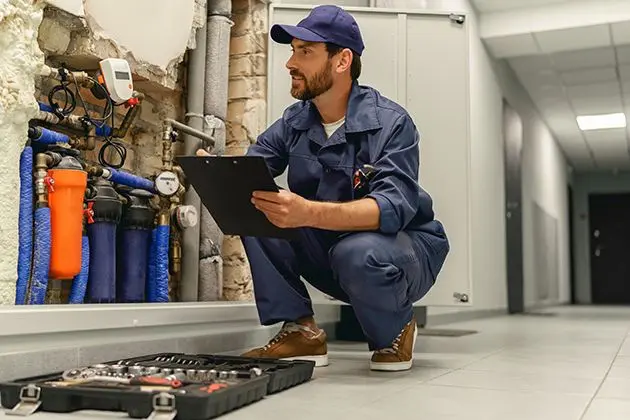
What surprises most people is how customizable these systems can be. It’s not a one-size-fits-all situation. Some homes need basic carbon filters. Others benefit from multi-stage setups designed for more complex issues.
And once installed, the difference can feel… subtle, but real. Like something just works better.
The Invisible Impact on Daily Life
Water quality doesn’t usually demand attention, but it quietly affects everything. The way your tea tastes. How your clothes feel after washing. Even the longevity of your plumbing fixtures.
It’s easy to overlook because the changes aren’t dramatic. There’s no big “aha” moment. Instead, it’s a collection of small improvements that build over time.
You might find yourself buying fewer cleaning products. Or noticing that your glassware actually looks clean instead of slightly cloudy. Little things, yes—but they add up.
Choosing What Works for You
Here’s where it gets personal. Every home is different, and so is every water source. What works for one household might not make sense for another.
That’s why jumping straight into solutions without understanding the problem can feel overwhelming—and sometimes wasteful. It’s better to start with observation. Pay attention to your water. Notice how it behaves, how it tastes, how it feels.
If needed, get it tested. Talk to someone who understands local conditions. Build your approach from there.
There’s a certain confidence that comes from knowing you’ve made a decision based on real information, not just guesswork.
A Thought Worth Sitting With
Water isn’t just a utility. It’s part of your environment, your routine, your everyday life in ways that are easy to forget.
Taking a closer look at it doesn’t mean something is wrong. It just means you’re paying attention.
And honestly, that’s not a bad habit to have.
Because once you understand your water—where it comes from, what it carries, how it behaves—you start to see your home a little differently. Not as something fixed and unchanging, but as a system you can improve, step by step.
Nothing drastic. Nothing complicated. Just better choices, made over time.
And sometimes, that’s all it takes.