There’s a certain moment that sneaks up on people. Usually it happens while filling a glass from the kitchen tap, or maybe after noticing white buildup around the sink faucet for the hundredth time. Suddenly, something that always felt ordinary — water — becomes worth thinking about.
Not obsessing over. Just noticing.
For years, most households treated tap water as one of those background parts of life. You turned the handle, water came out, end of story. But lately, more families are asking questions about what they’re drinking every day and how it affects everything from cooking to skin care to the taste of morning coffee.
And honestly, that shift feels less like a trend and more like common sense.
Water Isn’t Always the Same Everywhere
One thing people discover quickly is that water changes from place to place. Sometimes dramatically. Water in one city might taste crisp and neutral, while another carries a faint chlorine smell or leaves dishes covered in cloudy spots.
That difference usually comes down to local treatment processes, mineral content, plumbing systems, and naturally occurring substances in the water supply. Even seasonal weather changes can affect how water looks and tastes over time.
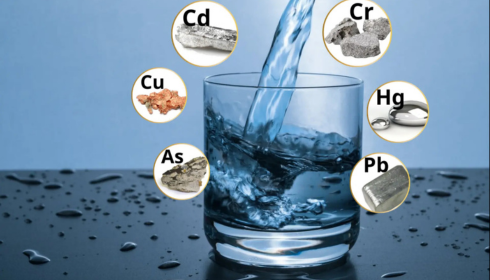
Many homeowners don’t realize how much invisible material can travel through pipes every day. Tiny particles, sediment, and certain contaminants can exist even when water appears perfectly clear. That’s what surprises people most. Clear doesn’t always mean ideal.
Of course, municipal systems do a tremendous amount of work to keep water safe. But aging infrastructure and environmental factors can still influence what reaches individual homes.
The Taste Test People Rarely Forget
A friend of mine once moved into a newer apartment building after years in an older neighborhood home. The first thing she mentioned wasn’t the lighting or the kitchen counters — it was the water. “It tastes cleaner,” she said almost immediately.
At first, that sounded exaggerated. Water is water, right?
Then I visited and tried it myself. And weirdly enough, she was right.
Taste matters more than we admit. When water has a smoother, fresher flavor, people naturally drink more of it. Coffee tastes less bitter. Homemade soup feels richer somehow. Even ice cubes stop carrying those odd freezer smells that sometimes sneak into everything.
That’s one reason many households invest in systems designed to provide better tasting water without relying constantly on bottled products from the store.
Why Filtration Has Become More Common
A decade ago, filtration systems sometimes felt like specialty products reserved for expensive homes or health enthusiasts. Now they’re pretty normal. You see filtered pitchers in college apartments, under-sink systems in suburban kitchens, and whole-house setups in rural areas where well water needs additional treatment.
Part of that change comes from awareness. Information travels quickly now. People read local water reports, compare products online, and learn more about what different filtration methods actually do.
Some filters reduce chlorine. Others target minerals or sediment. More advanced systems can remove microscopic particles and improve overall clarity and taste.
The key thing many homeowners realize is that filtration doesn’t have to be complicated. Sometimes small adjustments create noticeable improvements almost immediately.
The Connection Between Water and Daily Comfort
People often focus on health when discussing household water, but comfort plays a huge role too.
Soft showers feel different on your skin. Laundry comes out fresher. Glassware looks cleaner without constant spotting. Tiny daily frustrations quietly disappear when water conditions improve.
That broader experience is why conversations about water quality have expanded beyond simple drinking concerns. Families are thinking about the entire household environment now — cooking, bathing, cleaning, appliance maintenance, even indoor plants.
And honestly, when something touches nearly every part of your routine, small upgrades start to matter more than expected.
Bottled Water Isn’t Always the Perfect Answer
For a long time, bottled water felt like the easiest solution. If people disliked tap water, they bought cases from the store and moved on. But over time, the downsides became harder to ignore.
Plastic waste piles up fast. Costs creep higher month after month. Lugging heavy packs into the house gets old surprisingly quickly too.
That doesn’t mean bottled water has no place. It’s practical for travel, emergencies, or convenience. But many households now prefer long-term solutions that reduce waste while improving everyday access to cleaner water at home.
Reusable bottles, refill stations, and modern filtration systems have made that shift much easier than it used to be.
Choosing What Actually Fits Your Home
One mistake people make is assuming there’s a single “best” water solution for everyone. There isn’t.
A small apartment may only need a basic countertop filter. Larger households might benefit from under-sink systems or whole-home filtration depending on local conditions. Some homes struggle mostly with hard minerals, while others deal with odor or sediment.
The smartest starting point is understanding your own water rather than chasing marketing promises online.
Testing kits help. Local water reports help too. And honestly, talking with experienced professionals who explain options clearly can save people from spending money on systems they don’t actually need.
Good Water Changes More Than You Expect
The funny thing about improving water at home is how quietly it affects everyday life. Nobody wakes up expecting filtered water to feel meaningful, yet over time it becomes one of those comforts people genuinely appreciate.
You notice it in small moments — filling a reusable bottle before leaving the house, making tea late at night, washing vegetables for dinner, or simply taking a sip without thinking twice about it.
Maybe that’s the real goal in the end. Not perfection. Just confidence that something so essential feels clean, reliable, and easy to trust every single day.