Most people don’t think much about their water until something starts feeling different. A strange smell from the kitchen sink. Spots appearing on clean dishes. Dry skin after every shower that no lotion seems to fix. Small things, honestly. Easy to ignore at first.
But water has a quiet way of getting your attention over time.
It’s one of those parts of home life we expect to work perfectly in the background. We turn on the tap without thinking twice. Fill the coffee pot. Toss laundry into the washer. Give the dog fresh water. Repeat tomorrow.
So when the water changes — even slightly — it affects more of daily life than people realize.
The Problems Usually Start Small
The tricky thing about household water issues is that they rarely arrive all at once. Instead, they creep in slowly.
You notice cloudy glasses after running the dishwasher. Soap stops lathering properly. Maybe your white sink develops orange stains that keep returning no matter how hard you scrub them. Before long, you’re buying bottled water “just for now,” except now somehow lasts six months.
A lot of common water problems aren’t dangerous immediately, but they can still be frustrating and expensive if ignored for too long.
Hard minerals may build up inside pipes and appliances. Sediment can affect water pressure. Older plumbing systems sometimes introduce metallic tastes or discoloration. And in homes with private wells, seasonal changes can impact water consistency more than homeowners expect.
What makes it harder is that many people adapt to the changes without realizing it. The odd smell becomes familiar. The taste seems normal after a while. Visitors notice it faster than the people living there every day.
Funny how that works.
Water Quality Isn’t Just About Drinking Water
When people hear the phrase “water quality,” they usually think about whether water is safe to drink. But honestly, good water affects nearly every corner of a home.
It changes how your skin feels after a shower. It impacts how clothes look after washing. It influences appliance lifespan, cleaning routines, even cooking.
Poor water quality often reveals itself through tiny inconveniences before major issues appear. Glassware develops residue. Faucets lose shine. Towels feel stiff after laundry day. Coffee tastes flat for reasons nobody can quite explain.
I remember staying at a rental house once where the water left my hair feeling strangely heavy after every shower. At first I blamed the shampoo. Then I blamed the weather. Eventually the owner mentioned they’d been dealing with hard water for years and had simply stopped noticing it.
That stuck with me because it’s surprisingly common. People normalize discomfort when it arrives gradually enough.
Why Taste and Smell Matter More Than You Think
Water shouldn’t make you hesitate before taking a sip.
Yet many homeowners quietly deal with water that smells earthy, metallic, chlorinated, or slightly sulfur-like. Some tastes are harmless but unpleasant. Others can point toward mineral imbalance, pipe corrosion, bacteria, or treatment issues somewhere in the system.
And once taste or odor becomes noticeable, trust tends to disappear quickly.
Even if the water technically meets safety standards, people naturally feel uncomfortable drinking something that smells strange or leaves an odd aftertaste.
That emotional side of water quality doesn’t get discussed enough. Clean water is tied to comfort. When it feels “off,” home feels slightly off too.
Old Plumbing Can Create New Problems
Sometimes the water source itself isn’t the issue at all.
Aging pipes, outdated water heaters, sediment buildup, or neglected plumbing systems can all affect water inside the home. In older neighborhoods especially, infrastructure plays a larger role than many homeowners realize.
Corrosion may introduce discoloration. Mineral deposits can reduce water pressure slowly over time. Bacteria may build up inside neglected systems.
And because most plumbing remains hidden behind walls or underground, problems often go unnoticed until symptoms become obvious.
That’s why testing matters more than guessing.
People sometimes rush into expensive equipment without actually identifying the root issue first. One neighbor recommends a fancy filter. Another swears by bottled water delivery. Meanwhile, the real problem could be something entirely different.
Modern Homes Are Paying Closer Attention to Filtration
Over the past several years, more homeowners have started taking household water seriously — not out of panic, but awareness.
Families want cleaner-tasting water. Less mineral buildup. Better efficiency from appliances. Fewer stains and odors. It’s practical more than anything.
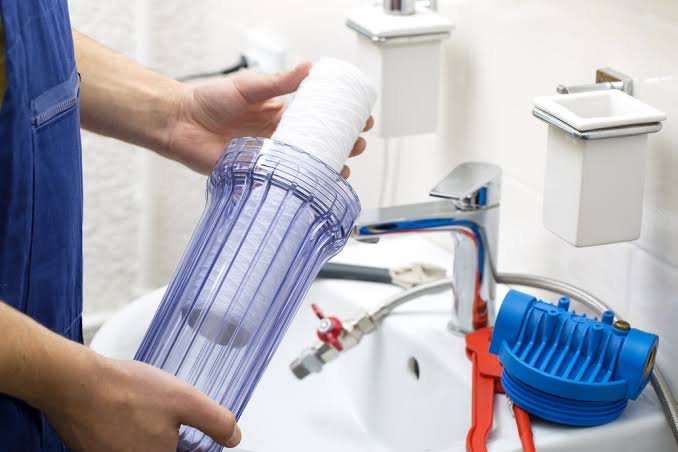
That’s where modern water filtration systems have become increasingly popular. Not every home needs the same setup, of course. Some benefit from simple carbon filters, while others require softeners, reverse osmosis systems, or specialized treatment solutions based on local water conditions.
The key is finding solutions that actually match the specific issue instead of throwing random products at the problem.
And honestly, people usually notice improvements faster than they expect.
Coffee tastes smoother. Skin feels softer. Glassware comes out cleaner. Laundry smells fresher. Small everyday experiences improve in ways that sound minor until you live with them consistently.
Paying Attention Early Usually Saves Money Later
Water issues rarely solve themselves. If anything, they tend to grow quietly in the background while homeowners adjust around them.
That’s why the small warning signs matter.
A new smell.
Reduced pressure.
Dry skin.
Cloudy water.
Recurring stains.
None of those things automatically mean disaster. But they do deserve attention.
Addressing water concerns early often prevents larger plumbing repairs, appliance damage, or long-term frustration later on. And sometimes the solution turns out to be far simpler than expected once proper testing identifies the source.
At the end of the day, water touches almost every part of daily life. Cooking dinner. Taking a shower after work. Washing sheets. Filling a glass in the middle of the night.
When everything feels clean and balanced, nobody thinks much about it.
But when the water starts sending signals, it’s usually worth listening.