It’s funny how easy it is to overlook something we use every single day. Water flows from the tap, fills the kettle, runs through the shower, and most of us barely think about it. Until there’s a problem, of course. Then suddenly it becomes the only thing anyone notices.
Maybe the water starts tasting odd. Maybe dishes come out cloudy no matter how much soap you use. Sometimes it’s the little things — dry skin after a shower, white residue on faucets, or laundry that somehow never feels fully clean. Those quiet annoyances often point toward one bigger issue: the condition of the water entering the home.
The thing is, clean water affects far more than drinking. It touches nearly every part of daily life, from cooking and cleaning to appliance performance and even personal comfort. And once people begin paying attention to it, they usually realize just how much difference good water makes.
Why Homeowners Are Paying Closer Attention
Over the last few years, more families have started thinking seriously about their home water setup. Part of it comes from health awareness, sure, but convenience plays a role too.
People are tired of relying on bottled water or dealing with stubborn mineral buildup around sinks and showerheads. There’s also growing awareness that aging infrastructure and regional water conditions can affect what comes through household pipes.
That doesn’t automatically mean tap water is unsafe. In many places it meets regulations perfectly well. Still, homeowners increasingly want greater control over their household water quality, especially when they notice changes in taste, smell, or appearance.
And honestly, once you’ve experienced noticeably cleaner water at home, it’s difficult to ignore the difference afterward.
Water Problems Usually Start Small
One of the interesting things about water issues is how gradually they appear.
Unlike a broken appliance that suddenly stops working, water problems tend to creep in quietly. You adapt to them without realizing it. The shower pressure weakens a little. Soap stops lathering properly. The dishwasher leaves behind spots that weren’t there before.
Most homeowners brush these things off at first because life gets busy. Nobody wants to spend their weekend researching filtration equipment or inspecting pipes.
Still, those little warning signs often matter more than people think.
Hard water minerals can slowly damage appliances. Sediment buildup can reduce efficiency over time. Even minor filtration issues may eventually affect the overall comfort of the home.
Finding the Right Solution Isn’t Always Simple
The world of home water equipment can feel surprisingly overwhelming. There are filters, softeners, UV purifiers, carbon systems, reverse osmosis setups — and every company claims theirs is the perfect answer.
The truth is, different homes have different needs.
Some families mainly deal with hard water. Others struggle with chlorine taste or excessive sediment. In rural areas, well water may introduce additional concerns like iron or sulfur odors.
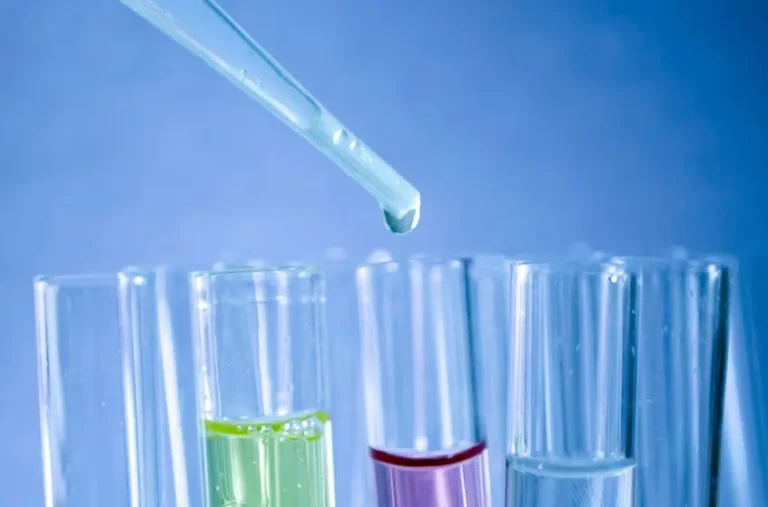
That’s why a proper water test matters before investing in anything major. Without understanding what’s actually in the water, choosing equipment becomes a bit like throwing darts blindfolded.
A well-designed water treatment system should solve specific problems, not simply add more gadgets under the sink.
Maintenance Is the Part People Forget
Installing equipment is only half the story. Keeping it maintained is where many homeowners slip up.
It’s understandable, honestly. Once everything starts working well, people naturally stop thinking about it. But filters don’t last forever, and systems can’t maintain peak performance indefinitely without some attention.
The good news is that most routine upkeep is fairly manageable.
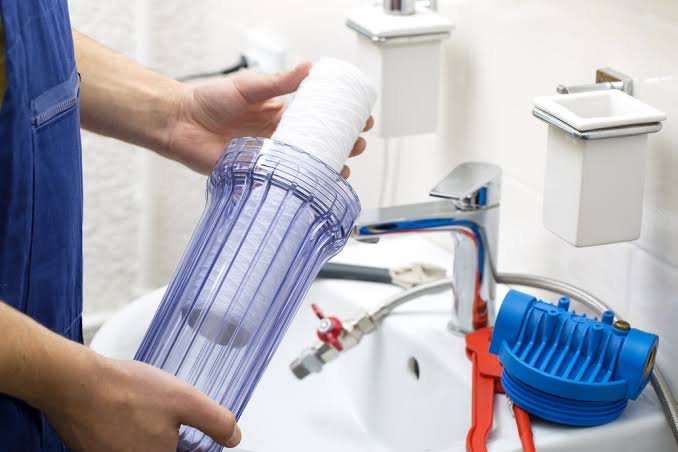
Changing filters on schedule, checking for leaks, monitoring salt levels, and scheduling occasional inspections can go a long way toward avoiding larger problems later. Preventive maintenance tends to be far cheaper than emergency repairs — something many homeowners learn the hard way.
And beyond cost, regular upkeep simply helps keep the system running smoothly throughout the year without sudden surprises.
Seasonal Changes Can Affect Water Too
A detail many people overlook is how seasons influence household water systems.
Summer often increases water usage because of outdoor cleaning, gardening, and additional laundry. Heavy rainfall can sometimes introduce more sediment into local supplies. Winter, on the other hand, can stress pipes and expose weak points in older systems.
Even shifts in temperature may subtly affect how water tastes or behaves in the home.
That’s why some homeowners schedule inspections before extreme seasons arrive. It’s less about paranoia and more about staying ahead of potential issues before they interrupt daily life.
The Comfort Side of Clean Water
People usually talk about water treatment in practical terms — filtration, contaminants, appliance protection, things like that. But there’s also an emotional side to it.
Good water simply makes a home feel more comfortable.
There’s something satisfying about taking a shower without harsh mineral residue drying out your skin afterward. Coffee tastes better. Cooking feels cleaner. Towels come out softer. Even small routines like brushing your teeth or filling a pet’s water bowl feel a little nicer.
These aren’t dramatic transformations, obviously. They’re subtle improvements that quietly shape everyday living.
And maybe that’s why homeowners who upgrade their water systems rarely regret it. The benefits don’t always scream for attention, but they show up consistently in daily comfort and peace of mind.
Final Thoughts
Water is one of those things we depend on constantly while barely giving it a second thought. Yet it influences health, comfort, cleaning, appliances, and the general feeling of home more than many people realize.
Paying attention to water conditions early — before problems become severe — often saves money, stress, and frustration later on. Small maintenance habits, smart equipment choices, and occasional inspections can make a noticeable difference over time.
At the end of the day, clean water isn’t really a luxury. It’s one of those quiet essentials that supports daily life in hundreds of tiny ways most of us only notice when it’s missing.