
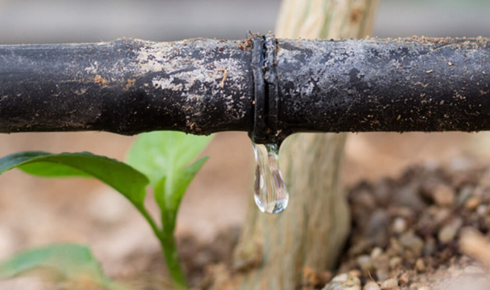
There are various methods used to meet the water needs of plants. Drip irrigation stands out as one of them. The characteristic of this irrigation method is that water is delivered to the plant’s roots in the form of droplets.
How Drip Irrigation Works
Drip irrigation has been used for irrigation needs in plant production since the 1950s. This ensures that the plant receives the necessary amount of water without wasting it. A number of preparations are required for this process.
First, the condition of the land is examined. The suitability of the soil structure for the plant to be produced is checked. After this process, the necessary pipe size and quantity for irrigation are determined.
After the pipes and other equipment are prepared, the pipes are laid in the production area. After the pipes are laid, the filter system is installed. After that, after the pipes are connected to the main line, water begins to be supplied to the plant. Care is taken to ensure that the water reaches the plant through the roots.
Materials Used in Drip Irrigation
To facilitate the healthy and rapid growth of plants, it is necessary to acquire the required materials for drip irrigation. The irrigation system established using these materials is important for the smooth operation of production. Plants that receive the necessary water grow more easily. In addition, it is easier to make the soil more fertile. The materials that facilitate drip irrigation are:
· Drip pipes
· Lateral pipes
· Filters and accessories
· Valves
· Drippers
· Pump units
· Fertilizer tanks
· Distribution pipelines
· Control units
The quantities and types of these materials vary depending on the agricultural land and the water requirements of the plant. Therefore, it is necessary to ensure that all materials are acquired before the system is installed.
Advantages of Drip Irrigation
Today, it is observed that people engaged in vegetable, fruit and plant production use drip irrigation. This is because this irrigation system comes with advantages. These advantages are:
• Water conservation in production
• Preventing weed growth
• Offering efficiency in fertilizer use
• Reducing human labor due to the automatic operation of the system
• Ensuring soil health
• Reducing energy costs
To gain these advantages, the irrigation system must be installed correctly and appropriately on the land. In addition, materials such as filters and drippers must be used completely.
Plants for Drip Irrigation
Those planning production may choose drip irrigation to ensure plants receive the necessary water. However, it is not possible to say that this method works equally well for every plant. For this reason, it is necessary to determine the plants for which the method will be applied most correctly and efficiently. These plants include sugar beet, corn, and alfalfa. Besides these, it is used for commonly consumed vegetables such as tomatoes, greens, eggplants, and cucumbers. Drip irrigation is also used for growing various fruit types.
Disadvantages of Drip Irrigation
While offering advantages such as protecting soil health, increasing product yield, and saving water, drip irrigation also has several disadvantages. This causes people to hesitate about setting up the system.
It should be noted that the installation cost of a drip irrigation system is high. This can strain the budgets of producers. However, thanks to proper and efficient irrigation, the installation cost can be covered by the products.
In addition, problems can arise from the water source and filters used for irrigation. These problems include the use of dirty water with a low pH level. Thus, problems such as the plant not getting enough water can occur. Also, the difficulty of cleaning irrigation filters can be considered a disadvantage.