Water is one of the few things we use from the moment we wake up until we head to bed. It brews our morning coffee, fills the washing machine, rinses vegetables, powers the shower, and helps keep an entire household running. Because it’s always there, most of us don’t spend much time thinking about it—at least not until something feels off.
Maybe your dishes come out of the dishwasher with cloudy spots. Perhaps your shower doors constantly collect stubborn white residue, or your favorite black shirt looks faded after only a few washes. These everyday annoyances often have one thing in common: the quality of the water flowing through your home.
Improving water quality isn’t just about convenience. It can influence cleaning, appliance performance, plumbing maintenance, and even the comfort of your skin and hair. It’s one of those upgrades that doesn’t dramatically change your house overnight, but over time, you begin to notice how many little frustrations quietly disappear.
What Makes Water “Hard”?
Hard water simply contains naturally dissolved minerals that enter groundwater as it travels through layers of rock and soil. Calcium and magnesium are the most common contributors, and while they’re generally safe to consume, they often create challenges inside the home.
These minerals slowly collect inside plumbing, water heaters, coffee machines, dishwashers, and other appliances. Over months and years, the buildup becomes more noticeable, reducing efficiency and increasing maintenance requirements.
It’s a gradual process, which is why many homeowners don’t immediately recognize what’s happening.
Understanding hard water minerals
The effects of hard water minerals become easier to recognize once you know what to look for.
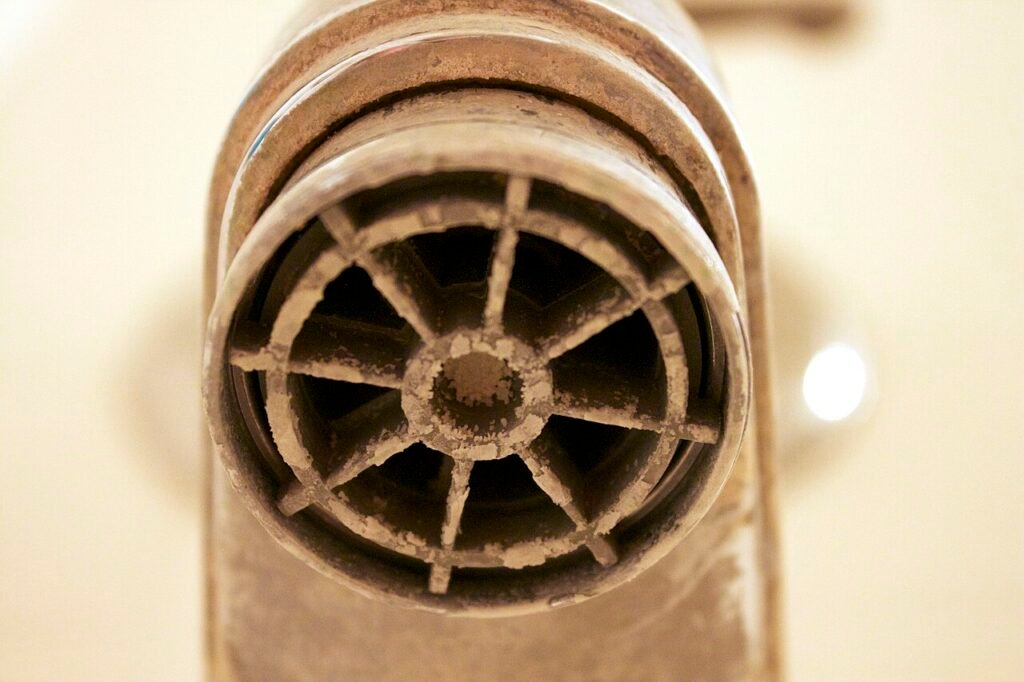
White scale around faucets, chalky deposits inside kettles, stiff laundry, dull-looking glassware, and soap that refuses to rinse completely are all common signs. Even shampoo may seem less effective because minerals interfere with the way soap creates lather.
None of these issues usually appear overnight. Instead, they build slowly until they simply become accepted as “normal.” In reality, they’re often clear indicators that your home’s water contains elevated mineral levels.
Small Everyday Problems That Add Up
One frustrating part about hard water is that it affects so many different parts of daily life.
Bathroom fixtures need more frequent cleaning. Water heaters work harder because heating elements become coated with mineral deposits. Washing machines and dishwashers may lose efficiency over time, while plumbing fixtures gradually develop scale inside pipes.
Individually these problems might seem minor, but together they can increase household maintenance while making ordinary chores take a little more effort than they should.
Why Many Families Appreciate clean soft water
There’s a noticeable difference that comes with clean soft water , even if it’s difficult to describe at first.
Soap lathers more easily. Shampoo rinses away without leaving residue behind. Towels often feel softer after washing, while dishes and glassware typically dry with fewer spots.
Many homeowners also enjoy spending less time scrubbing sinks, faucets, and shower doors because mineral deposits become far less common. It’s one of those improvements that quietly makes everyday routines feel just a bit easier.
Better Water Helps Protect Your Home
People often focus on drinking water, but household water touches nearly every appliance connected to your plumbing system.
Water heaters, dishwashers, refrigerators, washing machines, humidifiers, and even coffee makers all rely on clean water to perform efficiently. When mineral buildup is reduced, these appliances generally operate with less strain.
While no equipment lasts forever, reducing scale buildup may help extend the useful life of expensive household systems while lowering maintenance costs over the long run.
For many homeowners, that alone makes improving water quality a worthwhile investment.
Water Quality Is About Comfort Too
Financial savings are certainly important, but comfort deserves attention as well.
Many people living with mineral-rich water notice dry skin after bathing or hair that feels difficult to manage. Soap residue can leave hands feeling less clean, while freshly washed clothes sometimes become rough instead of soft.
Although everyone’s experience is different, improving water quality often makes daily routines more enjoyable simply because water behaves the way people naturally expect it to.
The Difference soft water Can Make
Switching to soft water often creates improvements that extend throughout the entire home rather than affecting only one faucet or appliance.
Cooking utensils stay cleaner. Glass shower doors require less scrubbing. Laundry detergents usually work more efficiently because they don’t have to compete with dissolved minerals.
Even simple tasks like washing a car or cleaning windows may become easier because mineral spotting is reduced. These changes aren’t dramatic individually, but together they contribute to a home that’s easier to maintain every week.
Choosing the Right Solution
Every home’s water is different.
Some areas naturally contain higher mineral levels than others, while certain households also deal with sediment, chlorine, iron, sulfur, or other water quality concerns. That’s why professional water testing is such a valuable first step before investing in any treatment equipment.
Instead of guessing, homeowners can select a solution designed specifically for their local water conditions and daily usage.
Choosing equipment based on accurate testing often leads to better long-term performance and avoids paying for unnecessary features.
Maintenance Doesn’t Have to Be Difficult
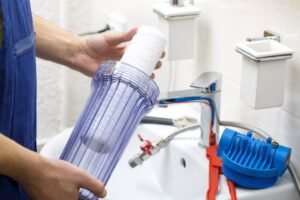
Modern water treatment equipment is much easier to maintain than many people assume.
Routine care usually involves checking salt levels when applicable, performing occasional cleaning, and scheduling periodic inspections according to manufacturer recommendations.
Many newer systems automate much of the process, requiring very little day-to-day attention from homeowners.
Like servicing an air conditioner or changing HVAC filters, small preventative maintenance efforts help keep everything operating efficiently for years.
Better Water Is a Long-Term Home Upgrade
Some home improvements are easy to admire immediately. Fresh paint, new countertops, or updated flooring certainly stand out.
Better water quality is different. Its benefits reveal themselves gradually through cleaner fixtures, improved appliance performance, softer laundry, reduced maintenance, and more enjoyable everyday routines.
You may not think about it every morning, but you’ll likely appreciate the difference every time you shower, wash dishes, prepare meals, or run a load of laundry.
In the end, improving water quality isn’t simply about solving hard water problems. It’s about creating a home that’s easier to care for, more comfortable to live in, and better equipped to protect the systems you rely on every single day. Sometimes the most valuable upgrades are the ones quietly working behind the scenes—making life just a little simpler without asking for attention.