Water is one of the few things we use every single day without giving it much thought. We fill a glass before breakfast, start the coffee maker, wash fresh vegetables, take a shower, and run the dishwasher before bed. It’s always there, quietly supporting our routines.
Because it’s so familiar, we often assume everything is fine as long as the water looks clear. But appearances can be misleading. Water may contain minerals, chlorine, sediment, or naturally occurring contaminants that don’t change its appearance but can still affect your home, your appliances, and your daily comfort.
Understanding what’s in your water isn’t about creating unnecessary concern. It’s about making informed decisions based on facts instead of assumptions. In many cases, homeowners are surprised by how much difference good water quality can make once they experience it.
Every Home Has a Different Water Story
People sometimes believe everyone in the same town receives identical water. While municipal systems provide treated water, each home’s experience can still vary.
The age of your plumbing, local water infrastructure, seasonal changes, nearby construction, and even household water usage all influence what comes out of your tap. Homes using private wells face even greater variation because groundwater conditions naturally change over time.
That’s why your neighbor may never experience hard water while your fixtures constantly develop mineral buildup.
Water isn’t one-size-fits-all, and neither are the solutions.
The Signs Are Often Easy to Miss
Most water quality issues don’t appear overnight.
Instead, they quietly build over months or years.
Your showerhead gradually becomes clogged with mineral deposits. White spots remain on freshly washed dishes. Soap doesn’t rinse as easily as it once did. Towels lose their softness after repeated washing, and your water heater seems to need maintenance more often than expected.
Even taste and odor changes can happen so gradually that families simply get used to them.
These aren’t necessarily emergencies, but they are useful clues. Paying attention to small changes often helps homeowners avoid larger, more expensive problems later.
Why a water quality evaluation Is Worth Considering
Guessing what’s affecting your water rarely leads to the right solution.
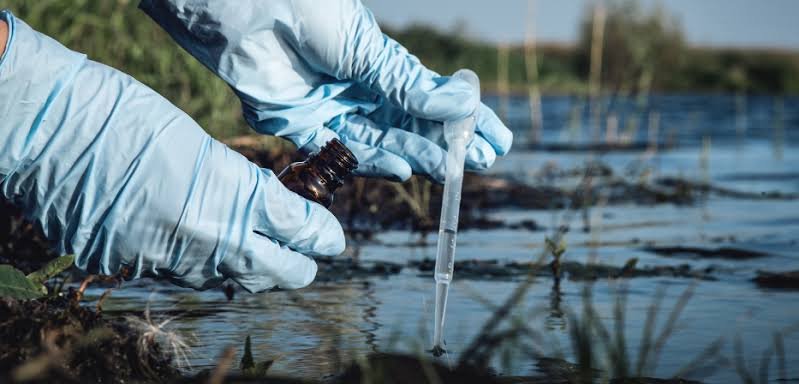
A professional water quality evaluation provides a much clearer understanding of your home’s unique water conditions. Rather than relying on appearance or taste alone, trained specialists examine factors like hardness, chlorine levels, dissolved minerals, pH balance, sediment, and other characteristics that influence overall water performance.
This process removes much of the uncertainty.
Instead of wondering why appliances wear out faster or why fixtures constantly develop stains, homeowners receive real information that explains what’s happening behind the scenes.
Knowledge makes every future decision much easier.
Looking Beyond the Surface
Water affects far more than drinking glasses.
Every shower, load of laundry, sink faucet, dishwasher cycle, and water heater depends on the quality of the water flowing through your plumbing system.
Hard water, for example, can gradually create scale buildup inside pipes and appliances. Sediment may reduce efficiency over time, while excessive chlorine can affect both taste and odor.
When professionals identify water problems early, homeowners have the opportunity to address them before they begin shortening the lifespan of expensive household equipment.
It’s a proactive approach rather than a reactive one—and that’s almost always less expensive in the long run.
Better Information Leads to Better Decisions
One of the biggest mistakes homeowners make is purchasing filtration equipment before understanding the actual issue.
It happens more often than people realize.
Someone notices spots on dishes and immediately buys a faucet filter, only to discover later that the real problem was hard water affecting the entire plumbing system. Another homeowner installs a softener when chlorine taste was their primary concern.
Without proper testing, even good equipment may solve only part of the problem.
That’s why accurate evaluation should always come before choosing any treatment system.
Water Quality Influences Everyday Comfort
The benefits of cleaner water extend well beyond the kitchen sink.
Families often notice softer laundry, cleaner dishes, smoother skin after bathing, brighter bathroom fixtures, and appliances that simply perform better over time.
Coffee and tea frequently taste more balanced. Ice cubes become clearer. Soap lathers more effectively, meaning less product is needed for everyday cleaning.
None of these changes dramatically transform life overnight.
Instead, they create dozens of small improvements that quietly make daily routines more enjoyable.
It’s surprising how quickly people begin appreciating better water once they experience it consistently.
Choosing better water solutions for Long-Term Results
After testing reveals what’s affecting your home’s water, the next step is selecting better water solutions that actually match your needs.
This is where personalized recommendations become important.
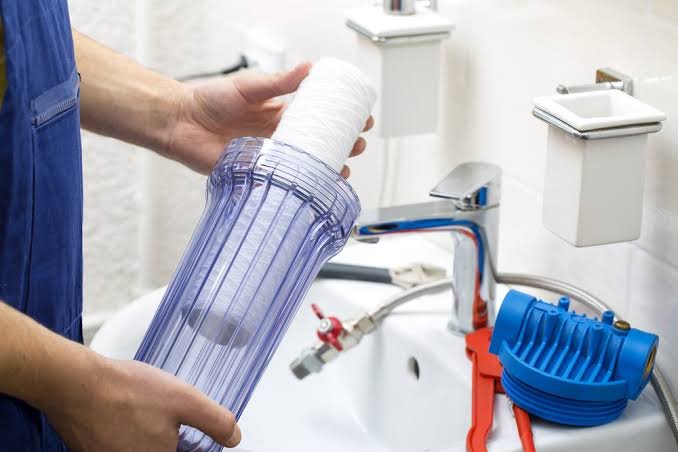
Some homes benefit from whole-house filtration systems designed to reduce sediment and chlorine. Others need water softeners to address mineral buildup, while certain households require reverse osmosis systems for improved drinking water.
The right answer depends entirely on the water itself.
A properly matched solution performs better, lasts longer, and often costs less to maintain because it addresses the actual problem instead of treating symptoms.
That customized approach provides far more value than simply purchasing the most expensive equipment available.
Prevention Is Almost Always the Smarter Investment
Think about the maintenance tasks homeowners already perform.
We service heating and cooling systems before they stop working. Cars receive regular oil changes. Roofs are inspected after storms, not after ceilings begin leaking.
Water deserves the same level of attention.
Understanding water quality today can help protect appliances tomorrow. It may reduce plumbing repairs, improve energy efficiency, and extend the lifespan of expensive household equipment that depends on clean, balanced water every single day.
Small preventative steps often save substantial amounts of money over time.
Confidence Starts with Understanding
At the end of the day, water quality isn’t simply about filters or treatment systems.
It’s about confidence.
Knowing what’s flowing through your home’s plumbing allows you to make decisions based on facts rather than assumptions. Whether testing confirms your water is already in excellent condition or reveals opportunities for improvement, you’ll have reliable information guiding your next step.
That’s valuable peace of mind.
Water supports nearly every part of daily life, from cooking meals and making coffee to protecting plumbing and keeping appliances running efficiently. Taking the time to understand it today can lead to years of improved comfort, lower maintenance costs, and a healthier home environment. Sometimes the smartest home improvement isn’t something you can see—it’s simply knowing your water a little better.