

Cooling technology has advanced significantly, and homeowners now have more choices than ever when it comes to maintaining indoor comfort during hot weather. Whether you are building a new home or planning to replace an ageing system, understanding the strengths and limitations of modern cooling options is essential for making an informed decision that suits your home, lifestyle, and budget.
In 2026, the focus has shifted beyond raw cooling power. Energy efficiency, running costs, adaptability to local climate conditions, and long-term reliability now play a central role in system selection. This guide explores the main cooling options available, key factors to consider before upgrading, and why professional advice is often critical to achieving the best outcome.
Key Cooling Options Available
When upgrading a residential cooling system in Australia, homeowners typically consider three main approaches.
Evaporative cooling works by drawing warm outside air through water-saturated pads. As the water evaporates, the air temperature drops before it is circulated throughout the home. This method performs exceptionally well in dry climates and is known for its low energy consumption.
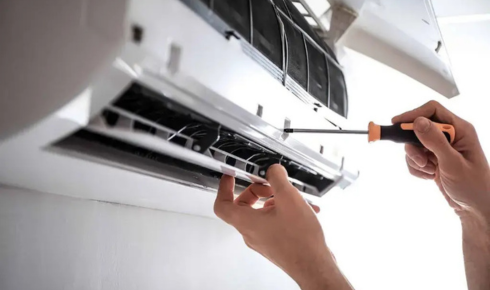
Split systems are individual air-conditioning units designed to cool specific rooms or zones. These systems use refrigerant cycles to extract heat from indoor air, delivering consistent and precise temperature control regardless of humidity levels.
Hybrid solutions combine evaporative and refrigerated cooling technologies. These systems allow homeowners to use evaporative cooling during dry conditions and switch to refrigerated air when humidity rises or greater temperature control is needed. The result is improved comfort with reduced overall energy usage.
Each system suits different conditions. Evaporative cooling is generally more economical in dry regions, while split systems provide stable performance in a wider range of climates. Hybrid systems offer flexibility for areas with variable summer weather.
What to Consider Before Upgrading
Before committing to a new cooling system, several practical considerations should guide your decision.
Energy efficiency is a major factor. Evaporative systems typically consume less electricity because they rely on natural evaporation and operate mainly with a fan and a water pump. Split systems use compressors, which draw more power, but their efficiency has improved significantly in recent years.
Home design also plays a crucial role. Evaporative cooling performs best in homes that allow fresh air circulation and are not fully sealed. Split systems are better suited to insulated, enclosed spaces and homes located in more humid regions.
Running costs and maintenance requirements should also be evaluated. Evaporative systems usually cost less to operate but require seasonal servicing of pads and pumps. Split systems may cost more to run, but often provide both heating and cooling when using reverse-cycle models.
Considering how often you use cooling, whether you need whole-home coverage or single-room control, and your local climate will help narrow down the best option.
Why Evaporative Cooling Remains Popular in Adelaide
For many homeowners, Evaporative Cooling Adelaide systems continue to be a practical and cost-effective solution. Adelaide’s relatively dry summers allow evaporative cooling to perform efficiently, delivering fresh air throughout the home while using significantly less electricity than traditional air conditioning.
Evaporative systems do increase indoor humidity slightly, which can be beneficial in dry climates but less suitable in coastal or high-humidity areas. In Adelaide’s conditions, many households find evaporative cooling provides reliable comfort with lower ongoing costs, making it a popular whole-home solution.
Split Systems and Consistent Cooling Performance
Split systems remain a strong choice for homeowners seeking precise temperature control. These systems are particularly effective in humid or changeable climates where evaporative cooling may struggle.
Modern split systems often feature inverter technology, which adjusts compressor speed to reduce energy consumption and maintain stable temperatures. Zoned cooling is another advantage, allowing homeowners to cool only occupied rooms rather than the entire house.
Hybrid Cooling Solutions and Flexible Comfort
Hybrid cooling solutions offer the benefits of both evaporative and refrigerated systems. By switching between technologies based on weather conditions, homeowners can maximise efficiency without sacrificing comfort.
Hybrid setups are especially suitable for regions with unpredictable summers or large temperature swings. Because these systems require careful planning and integration, professional design and installation are essential to ensure reliable performance.
The Importance of Professional Assessment
Choosing the right cooling system involves more than selecting a unit. Cooling specialists assess insulation, airflow, home layout, and climate before recommending a solution. Correct sizing is particularly important, as undersized systems struggle to cool effectively, while oversized systems waste energy and increase running costs.
Professionals also ensure ducting, ventilation, and roof penetrations are installed correctly. In some homes, cooling upgrades may coincide with roof restorations, which can improve insulation performance and reduce heat transfer into the living space.
Conclusion: Making the Right Choice in 2026
Upgrading your home’s cooling system in 2026 is about balancing comfort, efficiency, and suitability to local conditions. Evaporative systems remain highly effective in dry regions, while split and hybrid systems provide greater consistency in mixed climates.
A thoughtful assessment of your home, combined with professional guidance, ensures your investment delivers long-term comfort without unnecessary energy costs. Choosing the right system now can make summers more comfortable for years to come.
FAQs
What is the main difference between evaporative cooling and split systems?
Evaporative cooling relies on water evaporation and performs best in dry climates, while split systems use refrigerants and provide precise temperature control in all conditions.
Is evaporative cooling suitable for humid areas?
It is less effective in humid environments because the cooling process depends on dry air.
Can hybrid cooling systems reduce energy costs?
Yes. By using evaporative cooling when conditions are suitable and refrigerated cooling when needed, hybrid systems balance comfort and efficiency.
Do cooling systems require regular maintenance?
Yes. Evaporative systems need seasonal servicing, while split systems benefit from annual filter and performance checks.
How do I choose the right installer?
Look for licensed professionals with experience in your preferred system type and who provide detailed assessments based on home design and climate.