Water has a funny way of disappearing into the background of everyday life. We use it dozens of times without thinking—making tea, rinsing vegetables, taking a shower, running the dishwasher, watering plants. It’s simply there, quietly supporting our routines. Until one day it isn’t quite right.
Maybe your drinking water develops an odd taste. You notice white spots on your dishes that never seemed to appear before. Your shower leaves your skin feeling unusually dry, or your water heater suddenly doesn’t seem as efficient as it once was. Small changes like these often point toward something larger happening with your home’s water supply.
The good news is that understanding your water doesn’t have to be complicated. In fact, it usually starts with something remarkably simple: finding out exactly what’s coming through your taps.
Every Home Receives Different Water
Even homes in the same neighborhood can experience surprisingly different water conditions.
Municipal treatment systems, underground mineral deposits, aging infrastructure, seasonal rainfall, private wells, and local plumbing materials all influence water quality in different ways. That’s why a treatment solution that works perfectly for one household may not be the right choice for another.
Guesswork can become expensive.
Installing equipment before understanding the actual issue sometimes leads homeowners to solve problems they never had while overlooking the ones they did.
A little knowledge at the beginning almost always leads to better decisions later.
Why a free residential water test Is Worth Considering
One of the smartest starting points for any homeowner is a free residential water test.
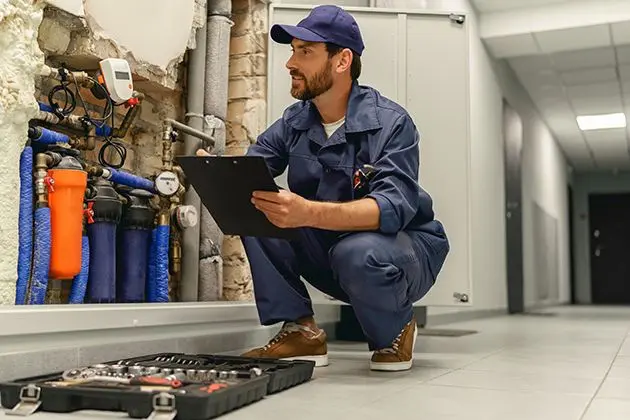
Rather than relying on assumptions, testing provides valuable information about your water’s characteristics. Depending on the service, it may identify issues related to hardness, chlorine, sediment, mineral content, or other factors that influence taste, odor, and household plumbing.
The real benefit isn’t simply receiving a report.
It’s understanding your home’s unique situation.
Once you know what’s actually in your water, choosing an appropriate treatment solution becomes much easier and far more effective.
Knowledge removes uncertainty, and that’s often the most valuable part of the process.
Better Water Improves Everyday Comfort
Water quality affects much more than drinking.
It influences how soap lathers during a shower, how clean dishes appear after a wash cycle, how soft towels feel after laundry, and how efficiently appliances perform over time.
Many people don’t notice these gradual improvements immediately.
Instead, they simply find themselves spending less time cleaning mineral buildup, replacing appliances less frequently, or enjoying water that tastes fresher than before.
Sometimes the biggest improvements are the ones that quietly become part of daily life.
Why reverse osmosis systems Remain So Popular
For households looking to improve drinking water quality, reverse osmosis systems continue to be one of the most trusted options available.
These systems use multiple stages of filtration to reduce many dissolved substances that may affect the taste, smell, or overall quality of drinking water. Installed most commonly beneath the kitchen sink, they provide convenient access to cleaner water for cooking, beverages, and everyday hydration.
Many homeowners also appreciate relying less on bottled water.
Beyond the potential cost savings, reducing plastic waste has become an important consideration for many families looking to make more environmentally conscious choices.
It’s a practical upgrade with benefits that extend well beyond the kitchen.
Water Quality Protects More Than Your Glass
When people think about water treatment, they often focus entirely on drinking water.
In reality, plumbing systems and household appliances benefit just as much.
Hard water minerals can gradually accumulate inside water heaters, dishwashers, coffee makers, washing machines, and pipes, reducing efficiency over time. Sediment may contribute to additional maintenance while shortening equipment lifespan.
Improving water quality often helps protect these investments while reducing unexpected repair costs later.
It’s one of those situations where prevention usually proves much less expensive than replacement.
When water disinfection Becomes an Important Consideration
Some water supplies require more than standard filtration.
In certain situations—particularly homes supplied by private wells or properties with unique water conditions—water disinfection may play an important role in maintaining safe, dependable water quality.
Methods such as ultraviolet treatment or other specialised disinfection technologies are designed to address microorganisms that traditional filters may not target.
The appropriate solution depends entirely on individual water conditions, which is another reason testing should always come before treatment decisions.
Every home deserves a solution designed specifically for its needs rather than a one-size-fits-all approach.
Regular Maintenance Keeps Systems Performing
Even the highest-quality water treatment equipment requires occasional attention.
Replacing filters according to schedule, checking system performance, and arranging periodic maintenance all help ensure consistent results year after year.
Fortunately, modern treatment systems are generally straightforward to maintain.
A few simple maintenance tasks each year often prevent much larger issues while extending equipment lifespan considerably.
Like servicing a vehicle or maintaining a heating system, small efforts today usually prevent larger expenses tomorrow.
Thinking Beyond Today’s Needs
Water treatment shouldn’t only solve immediate concerns.
It should also prepare your home for the future.
Families grow, appliances change, municipal water conditions evolve, and household water usage naturally shifts over time.
Choosing systems that can adapt through upgrades or expanded capacity provides greater long-term value than equipment designed only for current conditions.
Planning ahead doesn’t necessarily mean spending more.
It means making thoughtful decisions that continue benefiting your home for years to come.
Clean Water Creates Peace of Mind
There are plenty of household improvements that are nice to have.
Reliable water isn’t one of them—it’s essential.
From preparing meals and making coffee to protecting plumbing and keeping appliances running efficiently, water influences nearly every part of daily life. Understanding its quality gives homeowners the confidence to make informed decisions rather than relying on assumptions.
Whether that leads to filtration, advanced treatment, or simply greater awareness, the result is the same: a home that’s better equipped to provide safe, dependable water every day.
In the end, improving water quality isn’t really about installing equipment. It’s about creating healthier routines, protecting valuable investments, and enjoying the quiet confidence that comes from knowing one of your home’s most important resources is working exactly the way it should.