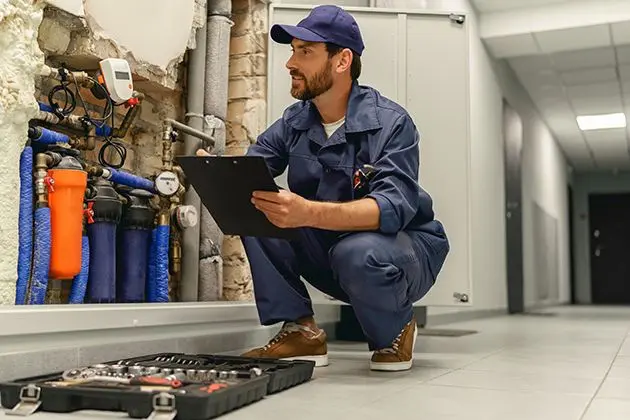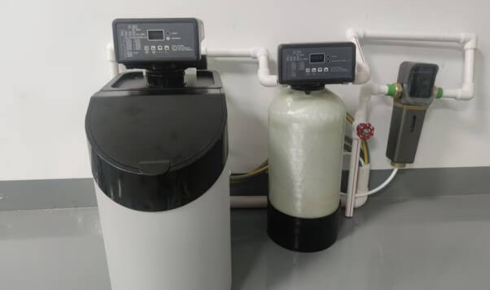
Most people don’t think much about the water running through their home until something feels off. Maybe the shower leaves your skin dry. Maybe glasses come out of the dishwasher with cloudy spots. Or maybe the tap water has that odd smell you can’t quite describe, but you know it’s there. Water is one of those everyday things we expect to be simple, yet the quality of it can quietly affect nearly every corner of a home.
A good home water treatment setup doesn’t have to be complicated. In fact, the best systems usually feel invisible once they’re working properly. You turn on the tap, run the washing machine, take a shower, make coffee, and everything just works a little better.
Understanding What Your Water Actually Needs
Before choosing any equipment, it helps to know what problem you’re trying to solve. Hard water, chlorine taste, sediment, iron stains, sulfur odors, and mineral buildup all come from different causes. Guessing can lead to spending money on the wrong solution, which happens more often than people like to admit.
A simple water test can reveal a lot. It can show whether the issue is hardness, bacteria risk, pH imbalance, dissolved minerals, or something else entirely. Once you know what’s in the water, the right treatment option becomes much clearer.
Why Hard Water Causes So Many Annoying Problems
Hard water is common in many homes, and it tends to make itself known slowly. At first, you might notice soap not lathering well. Then the showerhead starts clogging. After that, the water heater may work harder than it should. None of it seems dramatic on day one, but over time it can add up.
That’s where water softeners often come into the picture. They help reduce the minerals that cause scale buildup, especially calcium and magnesium. Softer water can make laundry feel better, help appliances run more efficiently, and reduce those chalky marks on taps, tiles, and glass doors. It’s not about making water “fancy.” It’s about making daily life a bit less frustrating.
The Role of Filtration in Better-Tasting Water
Taste and smell are usually what people notice first when water quality changes. Chlorine, sediment, organic material, and certain dissolved substances can affect the way water feels in the mouth or smells from the tap. Even when water is technically safe, it may not be pleasant.
Good filters can help remove particles, reduce unpleasant tastes, and improve clarity. Some systems focus on the whole house, while others are installed under a kitchen sink for drinking and cooking water. The right choice depends on whether the issue affects every tap or only the water you consume directly.
Whole-Home Treatment vs. Point-of-Use Solutions
There’s no single setup that fits every house. A whole-home system treats water before it moves through plumbing, which means showers, laundry, toilets, and appliances all benefit. This is useful when the problem affects the entire property, such as hard water, sediment, or iron.
Point-of-use systems are more focused. These are usually installed at one tap, often in the kitchen. They’re ideal when the main concern is drinking water taste, cooking quality, or reducing specific contaminants at the faucet. Many homeowners end up using both types together, and honestly, that can be a smart balance.
When Maintenance Matters More Than People Think
Every water treatment system needs some level of care. Some require salt refills, some need cartridge changes, and others need periodic inspections. Skipping maintenance doesn’t always break the system immediately, but performance can slowly drop. Water may begin to taste different again, flow rates may weaken, or minerals may start returning.
For homes with heavier sediment or certain media-based treatment units, backwash systems can be especially useful. These systems clean themselves by reversing water flow through the media bed, helping flush trapped particles away. It’s a practical feature because it reduces clogging and keeps the treatment media working more consistently over time.
Signs It May Be Time to Upgrade
Sometimes an older system keeps running, but it no longer performs well. If you’re still seeing stains, smelling odors, replacing appliances too often, or dealing with scale despite having treatment equipment, it may be time for a professional review.
Water conditions can also change. A well that was fine five years ago may develop new mineral issues. Municipal water can shift seasonally. Plumbing changes, home additions, and higher water usage can also affect performance. So, even a system that once worked beautifully may need adjustment later.
Choosing a System Without Overbuying
It’s easy to get overwhelmed by technical terms and sales claims. Bigger isn’t always better. More expensive doesn’t always mean more effective. The best system is the one matched to your water, your plumbing, your household size, and your actual concerns.
A family of six will have different needs than a single person in a small home. A house on well water may require a different approach than one connected to city water. The goal is not to buy every available treatment option. The goal is to solve the real problem cleanly and efficiently.
A Better Home Starts at the Tap
Clean, comfortable water has a way of improving daily routines without making a big announcement. Coffee tastes better. Towels feel softer. Fixtures stay cleaner. Appliances get a little breathing room. Even showers feel different.
Water treatment is not just about equipment sitting in a utility room. It’s about protecting the home, improving comfort, and removing small annoyances that pile up over time. Start with testing, understand what your water is telling you, and choose a system that fits the situation instead of chasing a one-size-fits-all answer.
Because when the water is right, you don’t have to think about it so much. And that’s kind of the whole point.