Water Is Something We Depend On Without Thinking
Water has a funny way of blending into the background of everyday life. We wake up, brush our teeth, brew coffee, wash dishes, and fill our bottles without giving much thought to what’s actually flowing through the tap. It’s one of those essentials we assume will always be there, quietly doing its job.
But every now and then, something catches our attention. Maybe the water tastes a little different than usual. Perhaps there’s a strange odor, or stains begin appearing around sinks and faucets. Those small observations often spark a bigger question: what exactly is in the water we use every day?
It’s a fair question, and honestly, one more people are asking than ever before. As awareness around health, sustainability, and home maintenance grows, homeowners are becoming increasingly interested in understanding the quality of their water and how it affects daily life.
The Journey Water Takes Before Reaching Your Home
Before water arrives at your kitchen faucet, it typically travels a long and complicated route. Depending on where you live, it may originate from underground aquifers, lakes, rivers, reservoirs, or municipal treatment systems.
Along that journey, water passes through pipes, storage facilities, treatment plants, and distribution networks. While these systems are designed to maintain safety and reliability, numerous factors can influence water quality along the way.
Natural minerals, environmental conditions, aging infrastructure, and local geographic characteristics all play a role. That’s why two neighboring communities can sometimes have noticeably different water even when they are only a few miles apart.
Understanding this journey helps explain why water quality isn’t always a one-size-fits-all issue.
Looking Beyond What You Can See
One of the biggest misconceptions about water is that clear water automatically means clean water. In reality, many substances are invisible to the naked eye.
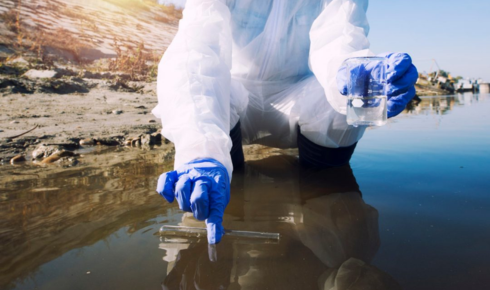
Some people are surprised to learn that certain contaminants can exist without causing obvious changes in color, taste, or odor. While many water supplies meet safety standards, testing remains one of the most reliable ways to understand what’s actually present.
This isn’t about creating fear. It’s about gaining information. Knowing more about your water allows you to make informed decisions instead of relying on assumptions. In many cases, testing simply confirms that everything is working as expected, which can be reassuring in itself.
Why Water Quality Affects More Than Drinking
When conversations about water begin, drinking water usually takes center stage. Yet water influences far more aspects of everyday living.
Think about how often it touches your life. It runs through your shower, washing machine, dishwasher, water heater, and coffee maker. It comes into contact with your skin, clothing, dishes, and household appliances.
Even small differences in water quality can affect how efficiently equipment operates or how clean surfaces appear after washing. Mineral buildup, staining, unpleasant tastes, and odors often trace back to characteristics within the water supply.
Because of this, water quality isn’t simply a health topic. It’s also a comfort, maintenance, and lifestyle issue.
The Value of Personalized Solutions
One thing many homeowners discover is that water treatment isn’t universal. What works perfectly for one household may be unnecessary—or ineffective—for another.
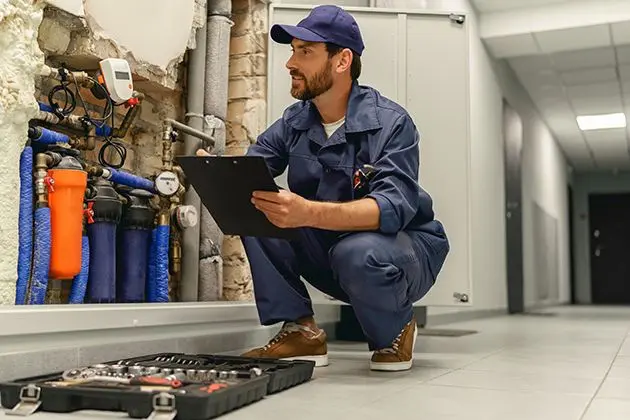
That’s where professional assessments can be incredibly useful. Instead of applying generic fixes, experts often provide customized recommendations based on the specific characteristics of a home’s water supply.
This approach tends to be more practical and cost-effective. Rather than purchasing equipment based on advertising claims or online trends, homeowners can focus on solutions that address actual conditions. It’s a smarter way to invest in long-term water quality improvements.
Paying Attention to Small Signs
Often, the earliest indicators of water issues are subtle. A metallic taste. Soap that doesn’t rinse as expected. Spots on glassware. Dry skin after bathing.
Individually, these things might seem insignificant. Together, however, they can point toward underlying water concerns that deserve a closer look.
The good news is that most water-related issues don’t appear overnight. They develop gradually, giving homeowners time to investigate and respond. Paying attention to small changes can prevent larger frustrations down the road.
There’s a certain peace of mind that comes from understanding your water rather than wondering about it.
Technology Has Made Water Testing Easier
Years ago, comprehensive water testing often felt complicated and inaccessible. Today, the process is far more straightforward.
Consumers have access to home testing kits, laboratory services, digital monitoring systems, and professional consultations. Information that once required extensive research can now be obtained relatively quickly.
This accessibility has encouraged more people to become proactive about water quality. Instead of waiting for noticeable problems, many homeowners choose to evaluate their water as part of regular home maintenance.
It’s a simple step, but one that can provide valuable insight.
Water Awareness Is Really About Peace of Mind
At its core, understanding water quality isn’t about chasing perfection. Every water source has its own unique characteristics, and not every variation represents a problem.
The real value lies in awareness. When you know what’s in your water, you can make decisions with confidence. You can choose treatment options wisely, maintain household systems more effectively, and enjoy greater assurance about the water your family uses every day.
In a world filled with things we can’t always control, having reliable information about something as essential as water feels surprisingly empowering.
A Smarter Relationship With Water
Water is easy to overlook because it’s woven into nearly every routine we have. Yet its impact extends far beyond what we often realize. From health and comfort to appliance performance and household maintenance, water quietly shapes many aspects of daily life.
Taking the time to understand your water isn’t an overreaction or an unnecessary expense. It’s simply a practical step toward creating a healthier, more comfortable home. The more we learn about the resources we depend on, the better equipped we are to use them wisely—and water may be the most important resource of all.