The Thing We Use Every Day but Rarely Think About
Water is one of those everyday essentials that quietly sits in the background of our lives. We use it to make coffee, wash vegetables, take showers, clean floors, and fill the dog’s bowl. It’s always there—or at least we expect it to be. Because of that, most people don’t spend much time thinking about water quality until something feels off.
Maybe the tap water develops an unusual taste. Perhaps dishes come out of the dishwasher with cloudy marks, or a favorite appliance starts showing signs of mineral buildup. Sometimes the clues are subtle. Other times they’re impossible to ignore.
The funny thing is that water affects far more than just hydration. It plays a role in household comfort, business operations, maintenance costs, and even the lifespan of equipment. Once you start paying attention, you realize just how connected water is to everyday life.
Water Quality Is Different Everywhere
One common misconception is that all water is basically the same. In reality, water quality varies significantly from one location to another. Local geology, municipal treatment methods, seasonal conditions, and infrastructure all influence what eventually comes out of a faucet.
Some areas struggle with hard water. Others experience issues related to sediment, chlorine, or naturally occurring minerals. Even neighboring communities can have noticeably different water characteristics.
That variation is exactly why solutions should never be based on assumptions. What works perfectly for one home or business may not be necessary—or effective—for another.
Understanding your specific water conditions is usually the first step toward making smart decisions.
Why Taste Isn’t the Whole Story
When people talk about water quality, the conversation often starts with taste. That makes sense because taste is something we notice immediately. Nobody enjoys drinking water that smells strange or leaves an unpleasant aftertaste.
Still, water quality extends well beyond what we can taste. Minerals and impurities can influence plumbing systems, appliances, laundry results, and cleaning efficiency. Sometimes water looks perfectly fine while hidden issues quietly create long-term problems.
A water heater coated with mineral scale, for instance, may consume more energy than necessary. Faucets can accumulate deposits. Glassware may appear dull despite being freshly washed.
These aren’t dramatic emergencies. They’re small frustrations that build up over time and gradually affect both convenience and expenses.
Modern Solutions Have Changed the Way We Think About Water
Not long ago, improving water quality often meant relying on bottled water or basic filtration pitchers. Those options still have their place, but technology has evolved considerably.
Today, homeowners and businesses have access to highly effective treatment solutions designed to target specific water concerns. Rather than taking a one-size-fits-all approach, modern systems can be customized based on actual water conditions and usage patterns.
One technology that has gained significant attention over the years is reverse osmosis systems. These systems are widely appreciated for their ability to reduce a variety of impurities and improve drinking water quality. Many users notice cleaner taste almost immediately, which is often what sparks their interest in learning more about water treatment in general.
The appeal isn’t just about convenience. It’s about confidence in the water being consumed every day.
Water Quality Matters for Businesses Too
While homeowners often focus on personal comfort and convenience, businesses face an entirely different set of challenges when it comes to water.
Restaurants depend on quality water for food preparation and beverages. Hotels rely on it for guest satisfaction. Manufacturing facilities often require precise water standards to support equipment performance and product consistency.
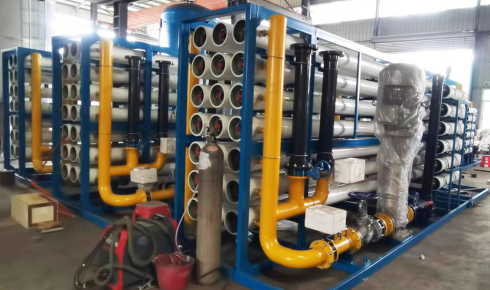
This is where commercial water treatment becomes an important consideration. Water-related issues that may seem minor in a residential setting can quickly become costly when scaled across larger operations.
Equipment downtime, maintenance expenses, reduced efficiency, and customer complaints can all stem from inadequate water management. Businesses that proactively address water quality often find that the investment pays for itself through improved operations and reduced long-term costs.
The Hidden Impact on Daily Comfort
One of the more interesting aspects of water quality is how deeply it influences comfort. Most people don’t think about it until they experience a noticeable improvement.
Softer-feeling laundry. Cleaner shower doors. Better-tasting coffee. Fewer spots on dishes. These may sound like small details, and honestly, they are. Yet daily life is made up of small details.
A homeowner who no longer has to scrub mineral deposits every weekend notices the difference. A café owner whose beverages taste more consistent notices it too. Even guests visiting a home or business may sense something feels better without knowing exactly why.
That’s the thing about quality water—it tends to improve experiences quietly rather than dramatically.
The Growing Demand for Cleaner Living
Over the past decade, consumers have become increasingly aware of what goes into their food, air, and water. People read labels more carefully. They ask questions. They want transparency.
That same mindset has extended to household water supplies. More families are taking proactive steps to ensure they have access to clean water not only for drinking, but also for cooking, bathing, and everyday household activities.
This shift isn’t driven by fear. It’s largely driven by awareness. People simply want to understand what’s entering their homes and make informed decisions based on reliable information.
When viewed through that lens, water treatment becomes less about solving problems and more about improving overall quality of life.
Looking Ahead
Water will always be one of life’s essentials. We depend on it countless times each day, often without even realizing it. Yet the quality of that water can influence everything from health and comfort to efficiency and cost savings.
Whether you’re a homeowner looking for better drinking water or a business seeking operational reliability, understanding your water is a worthwhile investment of time. Small improvements made today can deliver benefits for years to come.
In the end, better water isn’t really about technology, filters, or equipment. It’s about creating a more comfortable, reliable, and enjoyable environment for the people who depend on it every single day. And that’s something worth paying attention to.