Water is one of those things people use constantly but rarely pause to think about. It runs through the kitchen tap, fills the washing machine, rinses shampoo from hair, steams in the kettle, and quietly works its way through pipes every single day. When it’s good, nobody talks about it. When it’s not, though, the signs start showing up everywhere.
Maybe the water has a strange taste. Maybe the shower leaves skin feeling dry. Maybe there are white marks on faucets, orange stains in the toilet, or a smell that makes every glass from the tap feel a little questionable. These things may seem small at first, but they can affect comfort, cleaning, appliances, and confidence in what a family uses daily.
For many homeowners, the goal is simple: cleaner safer water that feels better, tastes better, and supports the home instead of working against it.
Why Water Quality Matters More Than People Realize
Water does more than quench thirst. It touches food, clothing, dishes, plumbing, skin, hair, and household appliances. Poor water quality can make soap less effective, leave buildup on fixtures, change the taste of coffee, and cause scale inside water heaters. Over time, these small issues become part of daily frustration.
A lot of homes have water that meets basic standards but still isn’t pleasant to live with. City water may contain chlorine taste or odor. Well water may bring minerals, sediment, iron, sulfur smell, or hardness issues. Even clear water can carry things that affect how it performs around the house.
That’s why improving water quality is not just about drinking. It’s about making the entire home work better.
The Everyday Signs of Water Trouble
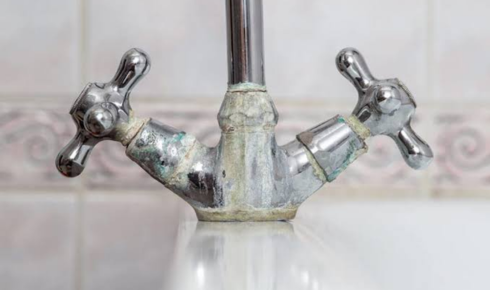
Homeowners usually notice water problems in ordinary places. A glass looks cloudy after washing. The bathroom sink develops chalky buildup. Laundry feels stiff. Hair feels dull after showering. A dishwasher struggles to leave dishes spotless. The water heater seems to work harder than it used to.
Sometimes the signs are more obvious, such as brown stains, particles in the water, or a rotten-egg smell. Other times, the issue slowly builds until it feels normal. People get used to buying bottled water, scrubbing stains, replacing showerheads, or using extra detergent.
But “normal” doesn’t always mean acceptable.
How Treatment Systems Improve Daily Living
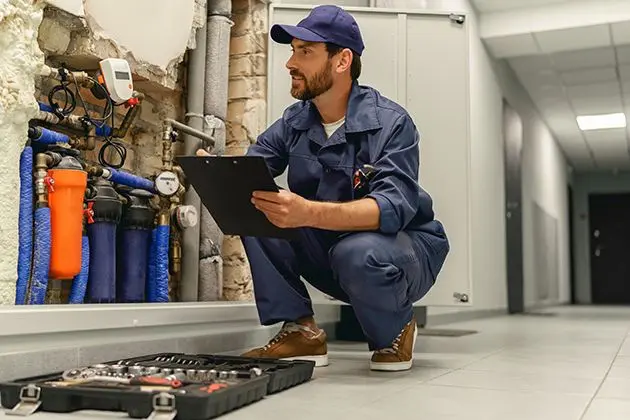
Modern water treatment systems are designed to reduce specific water problems, not just make water look clean for a moment. Depending on the home, treatment may focus on hardness, chlorine, iron, sediment, odors, or drinking water quality.
A softening system can help reduce mineral buildup. Filtration can improve taste, smell, and clarity. A drinking water system can make water from the kitchen tap more refreshing and reliable. In some homes, especially those with well water, multiple treatment steps may be needed to handle different issues properly.
The right system can make everyday tasks easier. Soap lathers better. Dishes look cleaner. Showers feel fresher. Appliances may face less buildup. Drinking from the tap becomes something people actually want to do.
Why Testing Should Come Before Buying
One common mistake is buying a water filter or softener without knowing what the water actually contains. A store-bought filter may help with taste but do nothing for hardness. A softener may solve scale but not address odor. A basic cartridge may catch sediment but fail to handle iron staining.
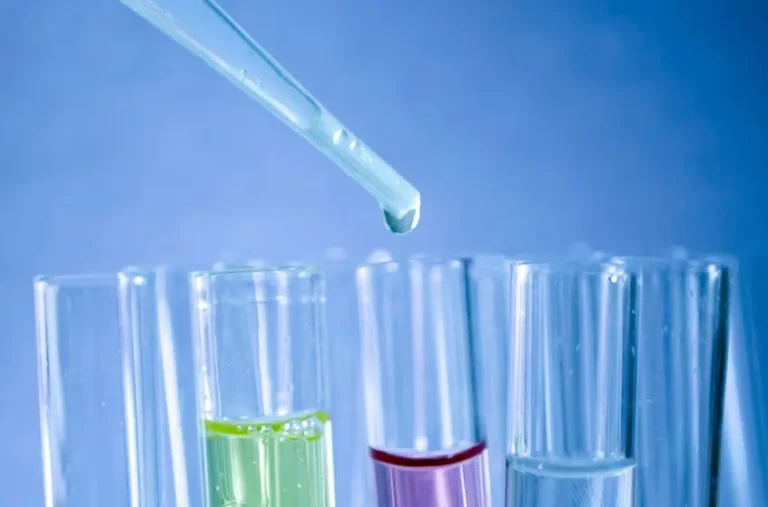
Water testing gives homeowners a clearer picture. It helps identify whether the issue is minerals, chlorine, pH imbalance, iron, sulfur, sediment, or something else. With that information, choosing a solution becomes much less of a guessing game.
It also saves money. Nobody wants to pay for equipment that looks impressive but doesn’t fix the real problem.
Different Homes Need Different Answers
Every home has its own water story. A city home may need help with chlorine taste and hard minerals. A rural home on a private well may need iron filtration, sediment control, or odor treatment. A large family may need a higher-capacity system than a smaller household. Older plumbing may also influence what kind of system makes sense.
This is where custom water solutions become important. Instead of forcing the same setup into every property, a tailored approach considers the source water, household size, plumbing, usage habits, and long-term maintenance needs.
That personal fit matters. Water treatment is not just a product purchase. It is a home improvement decision that should keep working quietly for years.
Protecting Appliances and Plumbing
Water quality can have a real impact on household systems. Hard minerals can collect inside water heaters, dishwashers, washing machines, and pipes. Sediment can clog fixtures. Iron can stain surfaces. Chlorine may affect taste and odor, especially in showers and cooking water.
By reducing these issues, water treatment can help appliances perform more efficiently and may reduce avoidable wear over time. It won’t remove the need for maintenance, of course, but it can lower the burden on systems that already work every day.
A water heater dealing with less scale is usually a happier water heater. Same with faucets, showerheads, and dishwashers.
The Comfort Side of Better Water
There is also a softer, more personal side to all this. Better water makes a home feel nicer. Showers feel cleaner. Towels and clothes can feel less rough. Coffee tastes more like coffee. Cooking feels more dependable. Kids may be more willing to drink water when it doesn’t taste strange.
These are not dramatic changes, but they matter. Home comfort often comes from small daily improvements that people notice without making a big speech about it.
A Smarter Way to Improve the Home
Clean water is not just a luxury upgrade. It is one of those practical improvements that affects nearly every room in the house. From drinking and cooking to bathing, laundry, cleaning, and protecting appliances, water quality plays a quiet but important role.
For homeowners dealing with stains, smells, buildup, bad taste, or bottled water habits, it may be time to look closer at what is coming through the tap. With proper testing and the right treatment plan, better water becomes simple, reliable, and part of everyday life.
And honestly, once a home has water that tastes better, feels better, and works better, it is hard to go back.