
The Moment You Notice Something Is Off
Most of us don’t spend much time thinking about the water flowing from our taps. It’s just there—ready for morning coffee, a quick glass after a workout, or washing vegetables before dinner. Then one day, you fill a glass and pause. Maybe the water looks a little unusual. Maybe it smells different. Suddenly, something that felt automatic becomes impossible to ignore.
Water issues often reveal themselves in subtle ways. A strange taste, mineral buildup around faucets, or unexpectedly discolored water can leave homeowners wondering what’s really happening behind the scenes. And honestly, it’s a fair question.
The good news is that not every change means there’s a serious problem. Still, understanding what causes these changes can help homeowners make smarter decisions and avoid unnecessary stress.
Why Water Appearance Matters
There’s a reason people trust their eyes. We naturally use visual cues to judge whether something seems safe or normal. Water is no exception.
When water appears clear, most people assume it’s fine. When it looks unusual, concern tends to follow. Sometimes that’s warranted, and sometimes it’s simply the result of harmless conditions.
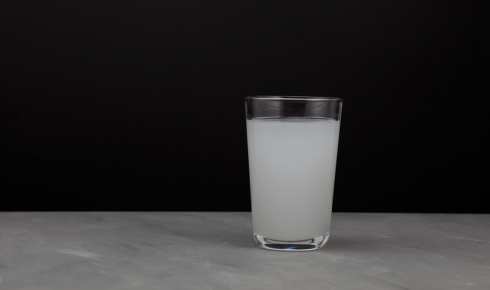
For example, air bubbles can temporarily make water look milky. In many cases, the cloudiness disappears after the water sits for a minute or two. Other times, particles, minerals, or plumbing issues may be contributing factors.
The challenge is that appearance alone doesn’t tell the whole story. Water that looks perfectly clear can still contain substances that affect taste, odor, or overall quality. That’s why visual inspection should be viewed as a starting point rather than a final answer.
Common Reasons Water May Look Different
One of the most common homeowner complaints involves cloudy water. While the sight can be alarming at first, several possible explanations exist.
Tiny air bubbles often create a white or cloudy appearance immediately after water leaves the faucet. If the water clears from the bottom upward after a few minutes, trapped air is usually the cause.
Mineral content can also influence water clarity. Areas with naturally hard water may experience increased levels of dissolved calcium and magnesium. These minerals aren’t necessarily harmful, but they can affect appearance and leave deposits on fixtures and appliances.
In older homes, aging pipes may introduce rust particles or sediment into the water supply. Construction activity nearby can sometimes disturb water mains as well, temporarily affecting water appearance.
The key is paying attention to patterns. Is the issue constant or occasional? Does it affect both hot and cold water? Small observations often provide valuable clues.
Looking Beyond What You Can See
Water quality is a bit like the foundation of a house. You rarely think about it when everything is working properly, but it supports countless daily activities.
Good water quality influences much more than drinking water. It affects cooking, laundry, bathing, dishwashing, and even the lifespan of household appliances.
For instance, water with excessive mineral content may reduce soap efficiency and contribute to scale buildup inside water heaters. Certain impurities can alter the flavor of beverages or impact the texture of cooked foods.
What’s interesting is that many water-related concerns aren’t visible at all. That’s why professional testing can be incredibly valuable. Instead of relying on assumptions, testing provides concrete information about what is actually present in the water supply.
Knowledge, in this case, tends to be far more useful than guesswork.
Every Home Has a Different Story
One thing that’s often overlooked is how dramatically water conditions can vary from one location to another.
Two homes located just a few miles apart may experience completely different water characteristics. One household may deal primarily with hard water minerals, while another encounters sediment issues or chlorine-related concerns.
Even within the same neighborhood, plumbing materials, home age, and maintenance history can influence the overall experience.
Because of these differences, there’s rarely a universal solution that works perfectly for everyone. What solves a problem in one home might be unnecessary—or ineffective—in another.
That reality has shifted how many professionals approach residential water treatment today.
Why Personalized Approaches Work Better
Years ago, homeowners often purchased generic treatment systems based on broad recommendations. Sometimes those systems helped. Sometimes they addressed the wrong issue entirely.
Today, many experts recommend tailored solutions designed around actual water conditions rather than assumptions. It makes sense when you think about it.
If a homeowner’s primary concern is sediment, the treatment strategy may differ significantly from someone dealing with mineral hardness or taste-related issues. By identifying specific challenges first, treatment becomes more efficient and cost-effective.
This approach also reduces the temptation to overcomplicate things. Not every home needs a large, expensive system. Sometimes a targeted solution delivers exactly what’s needed without adding unnecessary complexity.
In many ways, it’s similar to healthcare. Effective treatment begins with accurate diagnosis.
Small Changes Can Make a Big Difference
Improving water conditions doesn’t always require major renovations or extensive equipment upgrades.
Simple maintenance practices can have a surprisingly positive impact. Replacing aging fixtures, flushing water heaters, inspecting plumbing systems, and changing filters on schedule all contribute to better performance.
Regular monitoring also helps catch issues before they become larger problems. Waiting until water quality noticeably declines often means homeowners miss opportunities for easier and less expensive fixes.
A proactive mindset tends to pay off. It’s easier to maintain good conditions than to correct significant problems after they’ve developed.
Building Confidence in Your Water Supply
At the end of the day, most people aren’t looking for perfection. They’re looking for confidence.
They want to know that the water they drink, cook with, and use every day supports a healthy and comfortable lifestyle. They want fewer surprises and more peace of mind.
That’s why understanding water conditions matters. Whether you’re noticing changes in appearance, investigating unusual tastes, or simply becoming more informed about your home’s systems, every step toward greater awareness is valuable.
Water is one of those resources we depend on constantly but rarely appreciate until something changes. Paying attention to it doesn’t require obsession—just a little curiosity and occasional diligence.
And sometimes, that simple awareness is enough to turn uncertainty into reassurance, helping homeowners feel more connected to one of the most important resources flowing through their homes every single day.