Water Is Easy to Ignore, Until It Isn’t
Most of us don’t think much about the water running through our homes. It’s just there. We turn the tap, fill a glass, rinse vegetables, start the washing machine, make coffee, take a shower, and move on with the day. Water is so ordinary that we almost forget how much we depend on it.
But then something changes. Maybe the tea tastes slightly metallic. Maybe the shower glass keeps getting cloudy no matter how often it’s cleaned. Maybe your skin feels dry, the laundry comes out stiff, or the kitchen sink has that faint smell you can’t quite explain. These small signs often point to a bigger issue: the water may not be as clean, balanced, or pleasant as it should be.
That’s where home water improvement starts to matter. Not in a dramatic, salesy way. More like a practical upgrade that quietly makes daily life feel better.
What’s Really in Your Water?
Water can look perfectly clear and still carry minerals, sediment, chlorine, iron, sulfur, or other unwanted elements. Some of these affect taste and smell. Others leave stains, scale, or buildup inside pipes and appliances. In many homes, the issue isn’t one single problem but a mix of small things that add up over time.
Hard water, for example, is common in many areas. It contains higher levels of minerals like calcium and magnesium. These minerals are not always harmful to drink, but they can be tough on plumbing, faucets, water heaters, dishwashers, and washing machines. Over months and years, scale buildup can reduce efficiency and shorten the life of expensive equipment.
Then there’s chlorine, often used by municipal suppliers to disinfect water. It does an important job, but it can leave behind a strong taste or smell. Sediment can make water look cloudy. Iron can stain sinks and tubs. Sulfur can give water a rotten-egg odor. None of this feels pleasant, especially when it’s happening in the place you’re supposed to feel most comfortable.
Choosing the Right System Matters
Not every home needs the same solution. That’s one of the biggest mistakes people make when they start shopping for water products. They see a filter online, read a few reviews, and assume it will fix everything. Sometimes it helps. Sometimes it doesn’t.
Good water filtration treatment systems are chosen based on the actual water problem, not guesswork. A home with heavy sediment may need one type of filter. A home with chlorine taste may need another. A property with hard water might benefit from a softener. Well water may require more detailed treatment, especially if iron, bacteria, or sulfur are involved.
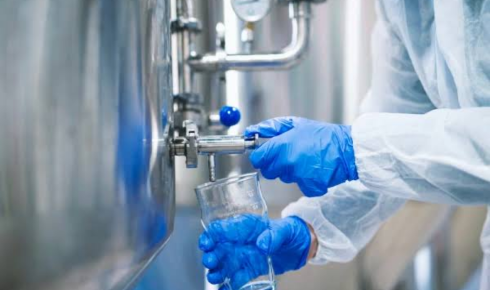
The best starting point is usually a proper water test. It gives you a clearer picture of what’s present in your water and what needs attention. Without testing, you’re mostly relying on symptoms. And symptoms can be misleading. Cloudy water might be air bubbles, sediment, or minerals. A bad smell could come from the water heater, plumbing, or the water source itself.
The Everyday Benefits People Actually Notice
The nice thing about better water is that the benefits show up in ordinary moments. Coffee tastes cleaner. Ice cubes don’t carry a strange aftertaste. Dishes come out clearer. Showers feel fresher. Soap rinses away more easily. Clothes may feel softer after washing. Even cleaning becomes less annoying because there’s less residue and spotting.
It’s not always about luxury. Sometimes it’s just about removing daily irritation.
Families with children often become more aware of water quality because kids drink a lot of water, and parents naturally want to feel confident about what’s coming from the tap. Homeowners with older plumbing may also notice changes in taste or color and decide it’s time to investigate. Businesses, too, can benefit from cleaner water, especially restaurants, cafés, salons, clinics, and offices where customer experience matters.
Why Professional Guidance Helps
There’s a big difference between buying a product and solving a water problem. A filter sitting under the sink might improve taste, but it won’t protect the whole home. A softener can reduce hardness, but it may not remove every contaminant. A whole-house system can be excellent, but only if it’s sized and installed properly.
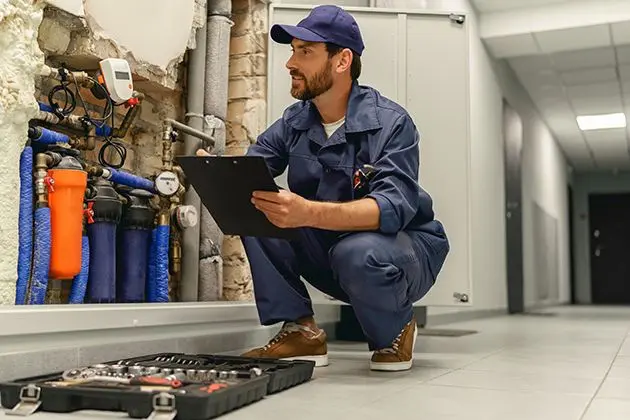
That’s why experienced professional team members make such a difference. They can test the water, explain the results in plain language, recommend the right equipment, and install it correctly. More importantly, they can help avoid spending money on the wrong solution.
Professional installation also matters because water systems connect directly to plumbing. Poor installation can lead to leaks, pressure problems, or disappointing performance. A well-installed system, on the other hand, should feel almost invisible. It works in the background while you simply enjoy the results.
Maintenance Shouldn’t Be an Afterthought
Even the best system needs some care. Filters must be changed. Salt levels may need checking in softeners. Some systems require periodic servicing to keep everything running smoothly. Ignoring maintenance can reduce performance and eventually bring back the same problems you were trying to solve.
The good news is that maintenance doesn’t have to be complicated. Many modern systems are designed for convenience. Some homeowners prefer scheduled service so they don’t have to remember dates or guess when something needs replacing. That small bit of upkeep can protect the investment and keep the water consistent.
Better Water Is a Long-Term Home Upgrade
People often think about home improvements in terms of visible changes: new flooring, fresh paint, better lighting, updated cabinets. Water treatment is different because you don’t always see it. You feel it. You taste it. You notice it in the way your home functions.
Having quality water can also help protect appliances and plumbing over time. Water heaters, dishwashers, washing machines, coffee makers, and faucets all interact with water every day. When the water is cleaner and better balanced, those items may work more efficiently and require fewer repairs caused by buildup or residue.
It’s one of those improvements that feels simple at first, then becomes hard to live without.
A Small Change That Touches Everything
Better water doesn’t need to be complicated or overwhelming. Start with testing. Understand what’s in your water. Choose a system that matches your home, your habits, and your local water conditions. Then keep it maintained so it continues doing its job.
In the end, water treatment is really about peace of mind. It’s about trusting the glass you hand to your child, enjoying a shower without harsh smells, protecting the appliances you paid good money for, and making the everyday routines of home feel a little cleaner, softer, and easier.
That may not sound flashy. But honestly, the best home upgrades rarely need to shout. They just make life better, quietly, every single day.